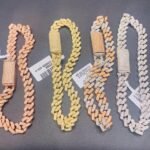

Gold chains come in many shapes, textures, and link patterns. Some are delicate and understated, while others create a bold statement without needing a pendant.
Choosing the right design can feel confusing when so many options look similar at first glance. Cuban, Figaro, rope, box, and wheat chains each have a distinct appearance. Their construction also affects flexibility, maintenance, and how they pair with other jewelry.
Understanding the different gold chain styles makes it easier to find a necklace that suits your wardrobe, personality, and budget.
This guide explains popular gold chain types, their defining features, and what to consider before choosing one. Whether you prefer a simple everyday necklace or a standout gold chain, you’ll learn how to compare the available designs.
What Are Gold Chain Styles?
Gold chain styles refer to the patterns and structures used to connect the individual links in a necklace.
The link pattern determines much of a chain’s appearance. It can create a smooth surface, a twisted texture, a geometric pattern, or a bold arrangement of interlocking links.
Chain styles also differ in flexibility and how they interact with pendants. However, the style name alone does not guarantee a particular level of strength or quality. Link size, metal composition, construction, and clasp design also matter.
Gold chains may be available in yellow, white, or rose gold. They can also be made in different karat purities, including 10K, 14K, and 18K.
Before comparing styles, check whether the product is solid gold, hollow gold, gold-plated, or gold-filled. These terms describe different constructions and materials.
1. Cuban Link Chain
A Cuban link chain features closely connected links that usually lie relatively flat and create a substantial, continuous pattern.
Its bold appearance makes it a popular choice for statement necklaces. Smaller Cuban chains can look understated, while wider designs create a more noticeable style.
What Makes Cuban Chains Different?
The links are typically rounded or flattened and arranged closely together. Many designs have a smooth, polished finish that reflects light.
Cuban chains are often worn alone because their pattern already provides visual interest. They can also be layered with simpler necklaces when the proportions work well together.
Who Should Choose a Cuban Chain?
Choose a Cuban chain if you enjoy a confident, prominent look. Consider a narrower version if you want the recognizable pattern without a heavy appearance.
Before buying a thicker chain, check its actual weight, clasp, and construction. A substantial-looking design may feel heavier than expected, particularly during extended wear.
2. Rope Chain
A rope chain features links twisted together to create a pattern resembling a braided rope.
Its textured surface reflects light from multiple angles, giving it a distinctive shine. This appearance makes rope chains popular for both standalone necklaces and pendant combinations.
What Makes Rope Chains Different?
Rather than forming a simple row of links, a rope chain creates a spiral-like structure. The result is a textured appearance that can look intricate even in a relatively narrow design.
Rope chains come in different widths and finishes. Some have a delicate profile, while others are designed to stand out.
Who Should Choose a Rope Chain?
A rope chain is a good option if you like texture and noticeable light reflection.
When comparing designs, inspect the chain closely. Intricate construction can make certain repairs more complicated, and damaged links may require professional attention.
If you plan to wear a pendant, confirm that the chain’s construction and weight suit it.
3. Figaro Chain
A Figaro chain uses an alternating pattern of links. A common design combines one longer link with several shorter links, although the exact pattern can vary.
This repeating arrangement creates a recognizable look without requiring a large pendant or decorative centerpiece.
Why Is the Figaro Chain Popular?
The contrast between long and short links adds visual interest while keeping the overall pattern relatively simple.
Figaro chains can work with casual clothing, smart outfits, and other everyday looks. They are available in different widths, making it easier to choose a subtle or more prominent design.
Who Should Choose a Figaro Chain?
Choose a Figaro chain if you want a classic link pattern with more character than a basic cable chain.
Pay attention to the size and spacing of the links. A delicate Figaro chain can have a very different appearance from a wide, bold version.
4. Box Chain
A box chain uses square-shaped links connected to form a geometric pattern.
Its clean lines give it a modern appearance. Depending on its width and finish, it can look delicate, understated, or more substantial.
What Are the Benefits of a Box Chain?
The squared link pattern creates a neat, structured appearance. Box chains are often selected for pendants because their relatively simple design can complement decorative pieces without competing for attention.
However, suitability depends on the chain’s dimensions and construction. Not every box chain is appropriate for every pendant.
Who Should Choose a Box Chain?
Choose a box chain if you prefer a geometric design or want a chain that complements a pendant.
Before purchasing, check the pendant’s bail opening and compare it with the chain’s dimensions. Also confirm that the chain is appropriate for the pendant’s weight.
5. Cable Chain
A cable chain consists of individual links connected in a simple, repeating pattern.
It is one of the most recognizable chain designs because of its straightforward appearance. The links may be round, oval, or slightly elongated.
Why Choose a Cable Chain?
Cable chains are versatile. They can be worn alone, paired with a small pendant, or used as a simple layer alongside other necklaces.
Their appearance is generally less visually busy than that of rope or Cuban chains.
Who Should Choose a Cable Chain?
Choose a cable chain if you want a classic design that works with many outfits and pendant styles.
The thickness matters. A very delicate cable chain may not be suitable for a heavy pendant or activities that place repeated strain on the necklace.
6. Wheat Chain
A wheat chain is made from interwoven links arranged to create a braided or woven appearance.
Its detailed structure produces a textured finish that can look substantial without relying on oversized links.
What Makes Wheat Chains Distinctive?
The links form a connected pattern that resembles strands of wheat. This gives the chain a more intricate appearance than many basic link styles.
Wheat chains can be worn alone or paired with selected pendants, depending on their construction.
Who Should Choose a Wheat Chain?
Choose a wheat chain if you appreciate detailed craftsmanship and a textured design.
Inspect the chain’s flexibility and clasp, and ask about repair options. The intricate pattern may require specialist attention if it becomes damaged.
7. Snake Chain
A snake chain uses closely connected components to create a smooth, continuous surface.
Instead of displaying clearly separated links, it has a sleek appearance that resembles a narrow metal tube.
Why Choose a Snake Chain?
Its smooth finish creates a clean, modern look. Snake chains can complement simple outfits and certain pendant designs.
They may also appeal to people who prefer a necklace with fewer visible gaps between links.
What Should You Know Before Buying?
Some snake chains are less tolerant of sharp bends or twisting than conventional link chains. Damage can be difficult to repair, depending on the construction.
Handle the necklace carefully and follow the manufacturer’s care instructions.
8. Singapore Chain
A Singapore chain uses twisted and interlocking links to create a flowing, reflective pattern.
Its appearance combines a delicate profile with noticeable texture. Depending on the design, it may look more intricate than a basic cable chain.
What Makes Singapore Chains Attractive?
The twisted structure reflects light from different angles. This creates a lively appearance without requiring a thick or oversized necklace.
Singapore chains are available in different sizes and finishes.
Who Should Choose a Singapore Chain?
Choose this style if you want a delicate necklace with extra texture.
Because designs vary, inspect the chain’s construction and flexibility before buying. Consider whether you intend to wear it alone or with a pendant.
9. Paperclip Chain
A paperclip chain uses elongated links that resemble the shape of paperclips.
Its open, linear pattern gives it a contemporary appearance. Some designs use slim links, while others feature larger and more prominent shapes.
Why Is the Paperclip Chain Popular?
The elongated links create visual space between each connection. This makes the design noticeable without necessarily being heavy or complicated.
Paperclip chains can be worn alone, layered, or paired with selected pendants.
Who Should Choose a Paperclip Chain?
Choose a paperclip chain if you prefer modern jewelry with a clean, elongated pattern.
Check the links and clasp carefully. Open-looking links do not automatically mean the chain is weak, but quality depends on the actual construction and materials.
10. Mariner or Anchor Chain
Mariner chains, sometimes called anchor chains, feature oval links with a central bar or similar reinforcing detail in many designs.
The pattern is inspired by traditional anchor-chain structures and has a distinctive, organized appearance.
What Makes Mariner Chains Different?
The central detail makes the links recognizable. Some designs have flatter surfaces, while others use rounded links.
This style can create visual interest without the densely packed appearance of a Cuban chain.
Who Should Choose a Mariner Chain?
Choose a mariner chain if you want a structured design with a nautical influence.
Compare different link sizes and finishes before deciding. The overall appearance can change significantly between delicate and bold versions.
11. Herringbone Chain
A herringbone chain is made from closely connected, flattened segments arranged in a pattern that creates a smooth, reflective surface.
Its links generally lie close together, giving it a sleek appearance.
Why Choose a Herringbone Chain?
The flat design creates a polished look that can sit neatly against the skin. It is often selected as a standalone necklace because its surface provides enough visual interest on its own.
What Is the Main Care Consideration?
Herringbone chains can be vulnerable to kinking if bent sharply or stored carelessly. A kink may be difficult to correct without professional help.
Choose this style if you like its smooth appearance and are comfortable handling it carefully. Avoid folding or twisting it during storage.
12. Franco Chain
A Franco chain uses closely arranged, interlocking links to create a dense, structured pattern.
It often has a substantial appearance, although narrower versions are also available.
What Makes Franco Chains Distinctive?
The compact arrangement gives the chain a more continuous look than some open-link designs. It can create a bold appearance without using oversized individual links.
Franco chains are available in different finishes, widths, and metal purities.
Who Should Choose a Franco Chain?
Choose this style if you like a compact, detailed chain with a strong visual presence.
Before buying, compare the weight and construction of the specific piece. The style name alone cannot tell you how well a chain will withstand your intended use.
13. Byzantine Chain
A Byzantine chain uses an intricate arrangement of interlocking links that creates a woven, dimensional pattern.
Its construction gives it a decorative appearance that stands out even without a pendant.
Why Choose a Byzantine Chain?
The interwoven design creates depth and texture. It can suit shoppers who prefer jewelry that looks detailed and distinctive.
Because the pattern itself is prominent, many people choose to wear Byzantine chains alone.
What Should You Consider?
The design may be heavier or more complex than a simpler chain of similar dimensions. Compare its weight, comfort, clasp, and repair options before purchasing.
14. Ball or Bead Chain
A ball chain consists of small spherical beads connected by short links or narrow connectors.
It has a very different appearance from conventional interlocking-link chains.
What Makes Ball Chains Different?
The repeating beads create a dotted pattern along the necklace. Depending on the design, the chain can look minimalist, industrial, or decorative.
Ball chains are often associated with pendant styles that use a compatible opening or connector.
Who Should Choose a Ball Chain?
Choose a ball chain if you prefer a distinctive, understated pattern.
Check the connector and the pendant’s compatibility before buying. The chain’s appearance and construction may differ considerably between products.
15. Omega Chain
An omega chain is constructed from closely arranged metal components that form a smooth, structured band.
Unlike a conventional flexible link chain, an omega chain often has a more defined shape.
Why Choose an Omega Chain?
Its smooth surface creates a polished, contemporary look. It can work well as a standalone necklace with formal or minimalist outfits.
What Should You Know Before Buying?
An omega chain may not bend or twist like an ordinary link chain. Avoid forcing it into tight curves, and store it according to the manufacturer’s instructions.
This style is best for shoppers who appreciate its structured appearance and are willing to handle it carefully.
16. Diamond-Cut Chain
A diamond-cut chain refers to a chain whose metal surfaces have been cut or faceted to create additional reflections.
It is a finish or surface treatment rather than one single link pattern. Different chain styles may feature diamond-cut details.
Why Choose a Diamond-Cut Finish?
The faceted surfaces catch light differently from smooth, polished metal. This can make a chain look brighter or more textured.
The effect depends on the cut, lighting, metal color, and chain construction.
Who Should Choose It?
Choose a diamond-cut chain if you like extra sparkle without adding gemstones.
Ask how the finish should be maintained, and compare close-up photographs to understand the surface details.
Gold Chain Styles at a Glance
Use this quick comparison to narrow your options.
| Chain style | General appearance | Often suits |
|---|---|---|
| Cuban | Bold, closely linked | Statement necklaces |
| Rope | Twisted, textured | Standalone wear and selected pendants |
| Figaro | Alternating long and short links | Classic everyday styling |
| Box | Geometric, structured | Minimalist looks and suitable pendants |
| Cable | Simple, linked pattern | Everyday necklaces and pendants |
| Wheat | Woven, textured | Detailed standalone designs |
| Snake | Smooth, sleek | Minimalist styling |
| Singapore | Twisted, reflective | Delicate, textured looks |
| Paperclip | Elongated, open links | Contemporary styling |
| Mariner | Bar-detailed links | Structured, distinctive looks |
| Herringbone | Flat, reflective surface | Sleek standalone necklaces |
| Franco | Dense, compact links | Bold or structured looks |
| Byzantine | Intricate, woven links | Decorative statement jewelry |
| Ball | Beaded pattern | Minimalist or distinctive styling |
| Omega | Smooth, structured band | Polished, formal looks |
| Diamond-cut | Faceted, reflective surface | Added shine and texture |
These descriptions are general. The weight, flexibility, comfort, and durability of an actual chain depend on its dimensions, materials, and workmanship.
How to Choose the Best Gold Chain Style for You
The right design should fit your taste and intended use. Consider the following factors before making a decision.
Think About Your Personal Style
If you prefer understated jewelry, cable, box, or narrow snake chains may appeal to you.
If you like bold accessories, consider Cuban, Franco, or a wider Figaro chain. For a more intricate look, explore wheat, rope, or Byzantine designs.
There is no single chain style that works for everyone. Start with the designs you enjoy looking at and compare them in person or through detailed product photographs.
Decide Whether You Will Wear a Pendant
Some chains are chosen primarily for their appearance, while others are selected to support a pendant.
For a pendant, check the bail opening, chain dimensions, and pendant weight. Ask the seller or a qualified jeweler whether the chain is suitable for your intended combination.
For standalone wear, the chain’s pattern, finish, and proportions may matter more than pendant compatibility.
Consider Your Everyday Routine
Think about when you plan to wear the necklace. A chain used daily may experience more friction, pulling, moisture, and accidental impact than one worn occasionally.
Intricate or flatter designs may require more careful handling. Ask about maintenance and repair options if you want a chain for frequent wear.
Compare Gold Purity and Construction
Gold chains may be available in different karats. Higher-karat gold contains more gold, but the overall quality of a chain depends on more than purity.
Check whether the item is solid or hollow, the gold purity marking, its weight, the clasp, and the seller’s description. The Federal Trade Commission provides helpful guidance on understanding gold markings and product descriptions.
Set a Realistic Budget
Prices can vary with gold purity, weight, design complexity, craftsmanship, brand, and retail costs.
A heavier chain may cost more because it contains more metal, but construction and brand pricing can also influence the final amount.
Compare the actual specifications instead of choosing solely by appearance or price.
How to Care for Different Gold Chain Styles
Different chain designs may require different handling.
- Store chains separately: This helps reduce tangling and scratches.
- Avoid sharp bends: Be especially careful with herringbone, snake, and omega chains.
- Inspect clasps and links: Stop wearing a chain if the clasp fails or a link appears damaged.
- Clean gently: Use care instructions suited to the chain’s metal, finish, and any gemstones.
- Avoid harsh chemicals: Remove jewelry during activities that may expose it to damaging products.
- Seek professional repairs: Intricate patterns may need a jeweler with appropriate repair experience.
If your chain is plated rather than solid gold, its surface finish may wear with use. Check the product description and follow the seller’s specific care instructions.
Frequently Asked Questions About Gold Chain Styles
What is the most popular gold chain style?
Cuban, rope, Figaro, cable, and box chains are widely recognizable styles. The best choice depends on whether you prefer a bold, textured, classic, or minimalist appearance.
Which gold chain style is best for everyday wear?
Cable and many Figaro designs are versatile choices, but suitability depends on the specific chain’s construction, thickness, clasp, and intended use. Inspect the actual product before buying.
Which gold chain style looks the boldest?
Wider Cuban, Franco, and some rope chains can create a bold appearance. The final look depends on the chain’s width, weight, finish, and how it is worn.
Which gold chain style works best with a pendant?
Cable and box chains are common options, but other designs can also work. Confirm that the chain fits through the pendant’s bail and is appropriate for the pendant’s weight.
Are all gold chains made from solid gold?
No. Gold chains can be solid gold, hollow gold, gold-plated, or gold-filled. Read the description carefully because these terms refer to different materials or constructions.
Does a thicker gold chain mean better quality?
Not necessarily. Thickness is only one factor. The chain’s construction, metal composition, clasp, workmanship, and intended use all matter.
How can I choose between yellow, white, and rose gold?
Choose the color that complements your wardrobe and personal preference. Yellow gold has a warm appearance, white gold has a lighter tone, and rose gold has a pinkish hue. Alloy composition and finish affect the exact color.
Where can I learn more about chain lengths?
Read our related guide, Gold Chain Necklace: Styles, Lengths & Buying Tips, for more detailed advice about necklace lengths, thickness, and buying considerations.
Final Thoughts
Gold chain styles offer a wide range of appearances, from the clean lines of a box chain to the textured pattern of a rope chain or the bold links of a Cuban design.
The best way to choose is to compare the link pattern, construction, finish, comfort, and intended use. If you plan to wear a pendant, check compatibility before purchasing.
For SV Jewels & Co. readers, this guide can serve as a starting point for exploring different chain designs. Compare actual product specifications, review the metal description, and select a chain that suits your personal style and budget.