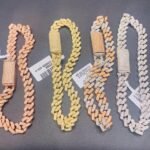

Gold jewelry can remain a treasured part of your collection for many years when you care for it properly. Whether you wear gold chains every day or save your favorite earrings for special occasions, a few simple habits can help protect their appearance.
However, not every gold jewelry piece needs the same treatment. Solid gold, gold-plated jewelry, and gold pieces containing gemstones can react differently to cleaning products, moisture, friction, and everyday wear.
This complete guide explains how to care for gold jewelry at home, how to store different pieces safely, which cleaning mistakes to avoid, and when to visit a professional jeweler. You will also learn how to adjust your routine for necklaces, rings, bracelets, and earrings.
Why Proper Gold Jewelry Care Matters
Gold is valued for its beauty and resistance to corrosion, but that does not make every gold jewelry piece indestructible. Pure gold is relatively soft, so jewelry is commonly made by combining gold with other metals. These alloys affect the piece’s strength, color, and other properties.
The finish and construction also matter. A solid gold chain, a gold-plated bracelet, and a gold ring with delicate stones should not automatically receive identical care.
Regular maintenance helps you:
- Remove everyday oils, dust, and product residue.
- Reduce scratches caused by contact with other jewelry.
- Identify loose stones, damaged clasps, and worn links.
- Preserve delicate finishes and decorative details.
- Keep jewelry ready to wear without unnecessary polishing.
The best approach is gentle, consistent care. Strong chemicals and aggressive cleaning are not signs of better maintenance. They may cause avoidable damage.
1. Identify Your Gold Jewelry Before Cleaning It
Before cleaning any piece, check what it is made of. Look for the product description, hallmark, receipt, or care instructions supplied when you purchased it.
Solid gold jewelry
Solid gold jewelry is made from a gold alloy throughout the piece, rather than having only a thin gold surface. Common karat descriptions include 10K, 14K, 18K, and 24K.
Higher-karat gold generally contains a greater proportion of pure gold. However, karat alone does not tell you everything about a piece’s durability. Design, alloy composition, thickness, and how you wear it also matter.
For many plain solid gold pieces, gentle cleaning with lukewarm water and a small amount of mild soap may be suitable. Always check the manufacturer’s care instructions first, especially if the piece includes stones, enamel, glued elements, or other materials.
Gold-plated jewelry
Gold-plated jewelry has a layer of gold over a different base metal. Repeated rubbing, abrasive cleaning, and harsh chemicals can wear away or damage that surface.
Use a soft, dry cloth for routine care. If the item needs more cleaning, follow the maker’s specific instructions. Do not assume that soaking or scrubbing it is safe.
Gold jewelry with gemstones
Jewelry containing diamonds, pearls, opals, emeralds, turquoise, or other stones may need special treatment. Some gemstones are sensitive to heat, chemicals, sudden temperature changes, or prolonged moisture.
Settings can also become loose over time. If you are unsure about a stone or setting, ask a qualified jeweler before using water, cleaning solutions, ultrasonic cleaners, or steam.
2. How to Clean Gold Jewelry Safely at Home
Cleaning gold jewelry does not need to be complicated. The key is to use a gentle method that suits the specific piece.
For plain solid gold jewelry that the manufacturer confirms is safe to wash, follow these steps:
- Prepare a clean space. Work over a bowl or a soft towel, away from an open sink drain.
- Use lukewarm water. Avoid very hot water or sudden temperature changes.
- Add mild soap. Use a small amount of gentle soap without abrasive particles or strong additives.
- Clean gently. Use your fingertips or a very soft brush only if the piece can safely tolerate brushing.
- Rinse carefully. Remove soap residue with clean water, keeping a secure hold on the item.
- Dry thoroughly. Pat the piece with a clean, soft, lint-free cloth.
- Inspect before storing. Check for loose stones, bent components, or damaged clasps.
Do not force dirt out of narrow openings with sharp tools. You could scratch the surface or damage a setting.
This method is not suitable for every piece. If the jewelry includes delicate gemstones, glued components, pearls, enamel, or a plated finish, consult the care instructions first.
For more detailed steps, link this section to your separate article, “How to Clean Gold Jewelry Without Damaging It.”
3. What to Avoid When Caring for Gold Jewelry
Some common household cleaning methods are too aggressive for jewelry. A product that works on a kitchen surface may be unsuitable for a delicate gold finish or gemstone setting.
Avoid these mistakes:
- Bleach and chlorine: These chemicals can damage certain metals and jewelry components. Remove jewelry before swimming in chlorinated pools or using chlorine-based cleaners.
- Abrasive powders and toothpaste: Their abrasive ingredients may scratch surfaces or wear away plating.
- Harsh household cleaners: Strong cleaning products can harm finishes, settings, and gemstones.
- Unverified acids or homemade mixtures: Vinegar and other acidic solutions are not universal jewelry cleaners.
- Rough brushes and paper towels: Coarse materials can leave scratches or fibers behind.
- Unapproved ultrasonic or steam cleaning: These methods can be unsuitable for certain gemstones, settings, and treated materials.
- Excessive polishing: Repeated polishing can remove material or alter a finish over time.
When in doubt, stop and check with the jewelry maker or a qualified jeweler. A cautious cleaning decision is better than repairing avoidable damage.
4. How to Store Gold Jewelry Properly
Storage is an important part of gold jewelry care. Pieces can scratch one another when they are left together in a drawer or jewelry box. Chains can also tangle, while delicate clasps and settings may catch on other items.
Use these storage habits to reduce damage:
Store pieces separately
Place individual pieces in soft pouches, lined compartments, or jewelry boxes with dividers. Keep chains separate from rings and earrings to reduce tangling and friction.
Keep jewelry dry
Store jewelry in a clean, dry location away from excessive humidity. Make sure pieces are fully dry before putting them away.
Protect delicate designs
Keep pieces with fragile stones, thin chains, intricate details, or delicate finishes in separate compartments. Avoid placing heavy items on top of them.
Close clasps before storage
Fasten necklaces and bracelets before storing them. This can reduce tangling and help keep the clasp from catching on other items.
Avoid direct sunlight and heat
A stable storage environment is sensible for a mixed jewelry collection, especially when pieces include gemstones, pearls, adhesives, or other materials that may be sensitive to heat or light.
Good storage is simple: keep each piece clean, dry, separated, and protected from unnecessary pressure.
5. Everyday Habits That Help Protect Gold Jewelry
Small changes in your daily routine can reduce wear and keep your jewelry looking its best.
Put jewelry on after applying personal-care products
Perfume, hairspray, lotion, sunscreen, and cosmetics may leave residue on jewelry. Apply these products first and allow them to dry before putting on your pieces.
Remove jewelry for cleaning and swimming
Household chemicals and pool water can be damaging to jewelry materials. Take off jewelry before cleaning, swimming, or handling chemicals when it is safe and practical to do so.
Consider removing jewelry during exercise
Heavy lifting, contact sports, and other activities can bend rings, pull chains, or damage settings. Sweat and repeated friction can also increase the need for cleaning.
Avoid wearing delicate pieces during rough tasks
Gardening, moving furniture, and manual work may expose jewelry to scratches, impacts, and snagging. Keep delicate items in a safe place during these activities.
Check jewelry after regular wear
Look for loose stones, worn clasps, bent prongs, or stretched links. Early attention may prevent a small issue from becoming a lost stone or broken piece.
These habits do not mean you must avoid wearing your favorite jewelry. They help you choose when a piece is appropriate and when it deserves a little extra protection.
6. How to Care for Different Types of Gold Jewelry
Each jewelry style has its own maintenance concerns. Consider the shape, construction, and how often you wear the item.
Gold chains and necklaces
Chains can twist, tangle, and collect residue around links. Store each chain separately and fasten the clasp before putting it away.
Handle thin chains gently. Avoid pulling knots tight, as this can strain delicate links. If a chain becomes badly tangled, work slowly on a soft surface rather than tugging it apart.
Inspect the clasp and connecting rings from time to time. If you notice a weak link or a clasp that no longer closes securely, have it assessed by a jeweler.
For related advice, link to “Gold Chain Necklace: Styles, Lengths & Buying Tips.”
Gold rings
Rings often encounter soap, lotion, household products, and hard surfaces throughout the day. Remove them when performing activities that may scratch, bend, or contaminate them.
If your ring contains a gemstone, inspect the setting periodically. Do not assume that a stone is secure just because it looks normal from above.
A jeweler can check prongs and other settings for wear. If a stone moves or the ring becomes bent, stop wearing it until it has been assessed.
Readers can explore your related guide, “Gold Rings: How to Choose the Perfect Style.”
Gold earrings
Earrings may collect skin oils, hair products, cosmetics, and residue around the posts or backs. Handle them with clean hands and keep pairs together in a clean, separate compartment.
Check the backs and fastenings regularly. If a backing feels loose or a post appears bent, avoid forcing it into place.
For earrings with pearls, delicate stones, or glued details, use the specific care instructions rather than a general cleaning method.
Gold bracelets
Bracelets can rub against desks, bags, watches, and other jewelry. Remove them before activities that involve repeated friction or contact with hard surfaces.
Check links, clasps, and decorative elements for signs of wear. Store bracelets separately so they do not scratch one another or become tangled.
Gold-plated pieces
Gold-plated jewelry deserves especially gentle handling because its gold surface can wear down. Wipe it with a soft cloth after use and avoid abrasive polishing.
Follow the manufacturer’s instructions for moisture and cleaning. If the plating has worn through, repeated cleaning will not restore the missing gold layer. Ask a reputable jeweler or the seller about suitable repair or replating options.
7. How Often Should You Clean Gold Jewelry?
There is no single cleaning schedule that suits every piece. The right frequency depends on how often you wear the jewelry, what it is made from, and how much residue it collects.
Use this general routine as a starting point:
- Frequently worn jewelry: Wipe it with a soft cloth after use and inspect it regularly.
- Pieces that look dull or have visible residue: Clean them when the material and maker’s instructions permit it.
- Occasionally worn jewelry: Check that each piece is clean and dry before storage.
- Gold-plated jewelry: Prefer gentle wiping and avoid unnecessary washing or polishing.
- Gemstone jewelry: Follow the care advice for the particular stone and setting.
- Pieces with damage: Seek professional assessment rather than trying to clean away the problem.
Cleaning too often or too aggressively can be counterproductive. Routine wiping and careful storage may be enough for many pieces between deeper cleanings.
8. When Should You Take Gold Jewelry to a Professional?
Home care is useful for ordinary maintenance, but it cannot solve every jewelry problem. A qualified jeweler can inspect the structure and recommend an appropriate repair or cleaning method.
Seek professional help if you notice:
- A gemstone that moves in its setting.
- Bent prongs, broken links, or a damaged clasp.
- A chain that appears stretched or unusually weak.
- Significant scratches or changes to the finish.
- A gold-plated surface that is wearing away.
- Persistent buildup in areas you cannot safely reach.
- Uncertainty about whether a piece can be immersed or professionally cleaned.
Do not try to tighten prongs, reshape rings, or repair delicate chains with household tools. These attempts can cause additional damage.
Ask the jeweler what the proposed service involves, whether it is suitable for the materials, and whether it could affect plating, coatings, or delicate settings.
9. How to Protect the Long-Term Value of Your Gold Jewelry
Proper care can preserve a piece’s appearance and help you notice maintenance needs early. However, condition is only one aspect of jewelry value. Gold content, weight, design, craftsmanship, maker, gemstone quality, and market conditions may also influence value.
Keep receipts, product descriptions, certificates, and repair records when available. For valuable pieces, consider clear photographs and appropriate insurance documentation.
Understand the difference between solid gold, gold-filled, and gold-plated jewelry. These terms describe different constructions and should not be treated as interchangeable. If you need help understanding karat marks and precious-metal descriptions, consult the U.S. Federal Trade Commission’s consumer guidance on buying platinum, gold, and silver jewelry.
If you are considering a new piece, review its material description and care instructions before buying. Knowing how a piece is constructed helps you decide whether it fits your lifestyle and maintenance preferences.
10. A Simple Gold Jewelry Care Checklist
Use this checklist to make jewelry maintenance part of your routine:
- Wipe frequently worn pieces with a soft, clean cloth.
- Check care instructions before using water or cleaning products.
- Store jewelry separately to prevent scratches and tangles.
- Keep pieces dry before placing them in storage.
- Remove jewelry before handling household chemicals.
- Avoid abrasive cleaners and unapproved polishing methods.
- Inspect chains, clasps, prongs, and settings regularly.
- Ask a qualified jeweler about damaged or delicate pieces.
- Keep purchase information and repair records in a safe place.
Consistent, gentle care is more useful than occasional aggressive cleaning. The goal is to preserve the materials and construction, not to make every piece look freshly polished every day.
Frequently Asked Questions About Gold Jewelry Care
Can I wear gold jewelry every day?
Many solid gold pieces are designed for regular wear, but durability depends on karat, alloy, design, thickness, and setting. Remove delicate pieces during activities that may cause impact, scratching, or exposure to chemicals. Follow the maker’s care instructions.
Does real gold tarnish?
Gold itself is resistant to corrosion, but jewelry alloys and other components can change appearance under certain conditions. Dirt, skin oils, product residue, and surface wear can also make a piece look dull. Gold-plated jewelry may show its base metal as the coating wears away.
Can I clean gold jewelry with dish soap?
A small amount of mild soap and lukewarm water may be suitable for plain solid gold jewelry when the maker confirms that the piece can be washed. This is not a universal method for gold-plated jewelry, gemstones, pearls, or pieces with glued or delicate components.
Is baking soda safe for gold jewelry?
Do not use baking soda as an abrasive scrub. It may scratch surfaces or wear away a plated finish. Use a cleaning method recommended for the specific piece instead.
Should I polish gold jewelry regularly?
Not necessarily. Frequent polishing may remove material or affect certain finishes. For routine maintenance, start with a soft cloth and use more intensive methods only when appropriate for the jewelry.
How should I care for gold-plated jewelry?
Handle it gently, wipe it with a soft cloth, and follow the maker’s instructions. Avoid abrasive materials and unnecessary polishing because the gold layer can wear away. If the finish has deteriorated, ask about suitable restoration options.
When should a jeweler inspect my jewelry?
Arrange an inspection if you notice a loose stone, damaged clasp, bent prong, broken link, or other structural problem. A jeweler can also advise you on safe cleaning methods for valuable or delicate pieces.
Final Thoughts
Learning how to care for gold jewelry starts with understanding the material and choosing a gentle maintenance routine. Keep pieces clean and dry, store them separately, avoid harsh chemicals, and pay attention to early signs of damage.
Most importantly, treat each piece according to its construction. Solid gold, gold-plated jewelry, and gemstone designs can require different care. When the right cleaning method is uncertain, follow the manufacturer’s guidance or consult a qualified jeweler.
With sensible everyday habits and timely maintenance, you can enjoy your gold jewelry while helping preserve its appearance for years to come.