
Diamond jewelry has a special way of making everyday moments feel memorable. From classic diamond stud earrings to elegant necklaces and statement rings, these pieces can complement almost any personal style. They can also become meaningful gifts for birthdays, anniversaries, engagements, graduations, and other milestones.
However, choosing diamond jewelry involves more than finding a beautiful design. You should understand diamond quality, compare different settings, choose a suitable metal, and decide how much you want to spend.
This complete diamond jewelry buying guide explains what to look for before making your purchase. Whether you are buying your first diamond piece or adding to an existing collection, you will learn how to compare options and shop with greater confidence.
What Is Diamond Jewelry?
Diamond jewelry is any jewelry piece that features one or more diamonds. Diamonds may serve as the main attraction or complement other gemstones and decorative details.
Common examples include diamond rings, necklaces, bracelets, earrings, pendants, and watches with diamond accents.
Some designs feature a single prominent diamond. Others use several smaller stones to create a continuous sparkle or decorative pattern. The right choice depends on your preferences, budget, lifestyle, and intended occasion.
Diamond jewelry is popular because it combines versatility with a distinctive appearance. A simple pair of diamond studs can work with casual clothing, professional outfits, and formal wear. A diamond pendant can add subtle elegance without overwhelming an outfit.
Before shopping, consider how often you plan to wear the piece. Everyday jewelry needs comfortable construction and a practical setting. Special-occasion jewelry may allow for more elaborate details.
Understanding the 4Cs of Diamond Quality
The four Cs are cut, color, clarity, and carat weight. Together, they help buyers understand important differences between diamonds.
The Gemological Institute of America (GIA) explains these characteristics in its official guide to the 4Cs of diamond quality.
1. Diamond Cut
Cut describes how well a diamond’s proportions and facets interact with light. It is different from shape, which describes the diamond’s outline.
A well-cut diamond can display attractive brightness, flashes of light, and colorful reflections. Poor proportions or workmanship can affect its visual appeal.
Round brilliant diamonds are especially associated with sparkle. Other shapes can also look beautiful when their proportions and workmanship suit the design.
When comparing diamonds, look beyond carat weight. Examine the stone under different lighting conditions, and ask whether the cut grade or available grading information supports the seller’s claims.
2. Diamond Color
Diamond color grading for standard colorless-to-light-yellow diamonds measures how much color is present. On GIA’s D-to-Z scale, D represents the colorless end of the scale.
A higher color grade may increase the price, but it does not automatically make a diamond the best choice for every buyer.
Metal color can influence the overall appearance of a diamond. Yellow gold creates a warm contrast, while white gold and platinum provide a cooler, bright-looking setting.
Choose a color grade that fits your budget and looks attractive in the finished piece. Comparing diamonds side by side can help you understand whether a difference is noticeable to you.
3. Diamond Clarity
Clarity describes the presence of internal characteristics, known as inclusions, and external characteristics, known as blemishes.
Some characteristics are difficult to see without magnification. Others may be more noticeable depending on their size, position, and the way the diamond reflects light.
Higher clarity grades can cost more. However, many buyers can find attractive diamonds without choosing the highest available grade.
The practical goal is to find a stone that looks appealing to you and offers clear, trustworthy information about its quality. Ask for a grading report when one is available, especially for a significant purchase.
4. Diamond Carat Weight
Carat measures a diamond’s weight, not its exact visible size. One carat equals 0.20 grams.
A higher carat weight often means a larger-looking stone, but the diamond’s shape, proportions, and setting also affect its appearance.
Two diamonds with the same carat weight may look different when viewed from above. Some shapes appear larger than others at comparable weights.
Rather than focusing only on a round-number milestone, compare the actual dimensions, cut quality, appearance, and price. A slightly lighter diamond may provide a look you love while leaving more room in your budget for a quality setting.
Natural Diamonds vs. Lab-Grown Diamonds
One of the first decisions to make is whether you prefer natural diamonds or laboratory-grown diamonds.
Natural diamonds form through geological processes over long periods. Lab-grown diamonds are created using technological processes that replicate some of the conditions involved in diamond formation.
Both are diamonds, but their origins differ. A lab-grown diamond is not the same thing as a simulant such as cubic zirconia, which can resemble a diamond without being one.
Natural and lab-grown diamonds can differ considerably in price. Their resale markets and long-term financial considerations may also differ, so avoid assuming that either type will retain its purchase price.
Before buying, check that the seller clearly identifies the diamond’s origin. Review the product description and grading documentation, where available, so you know exactly what you are purchasing.
Neither option is automatically right for everyone. Consider your budget, personal preferences, and the importance you place on geological origin.
Popular Types of Diamond Jewelry
Understanding the main jewelry styles helps you select a piece that fits your wardrobe and intended use.
Diamond Rings
Diamond rings range from simple solitaire designs to elaborate styles featuring several stones.
Solitaire rings emphasize one central diamond. Halo rings surround a central stone with smaller diamonds, while three-stone designs feature a trio of prominent stones.
Diamond engagement rings have their own practical considerations, including ring size, setting security, comfort, and the wearer’s personal style.
For more detailed advice, read Gold Rings: How to Choose the Perfect Style when comparing metal choices and ring designs.
Diamond Earrings
Diamond earrings are versatile additions to a jewelry collection.
Stud earrings offer a classic, understated look. Hoops provide a more noticeable outline, while drop earrings add movement and length.
When choosing earrings, consider their weight, backing, setting security, and comfort. Smaller studs can suit daily wear, while larger drops may work better for special occasions.
Explore our related guide, Diamond Earrings: How to Choose the Perfect Pair, for a closer look at styles, shapes, and buying considerations.
Diamond Necklaces and Pendants
Diamond necklaces range from delicate pendants to designs featuring multiple stones.
A solitaire pendant offers a simple focal point. Halo pendants add a surrounding border of smaller diamonds, while diamond tennis necklaces create a continuous line of stones.
Consider the necklace length, chain strength, clasp, and pendant weight. The piece should sit comfortably and suit the necklines you wear most often.
Read Diamond Necklaces: Styles, Cuts & Buying Tips for more guidance on necklace designs and diamond selection.
Diamond Bracelets
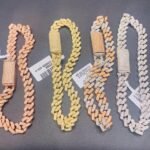
Diamond bracelets can be subtle or striking. Tennis bracelets feature a line of diamonds, while other styles combine diamonds with gold links, charms, or decorative elements.
Check the clasp, flexibility, fit, and security of the settings before buying. A bracelet that is too loose may catch on objects, while one that is too tight can feel uncomfortable.
For frequent wear, look for a design that balances beauty with practical construction.
Diamond Watches
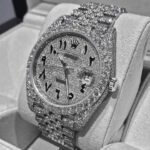
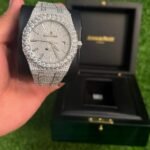
Diamond watches combine timekeeping with decorative stones. Depending on the design, diamonds may appear on the dial, bezel, bracelet, or case.
If you are comparing diamond watches, examine both the watch specifications and the diamond details. Check the manufacturer’s information, condition, warranty, servicing requirements, and whether the seller clearly describes the stones.
Do not assume that diamond accents automatically make a watch more valuable. Overall quality, brand, materials, condition, and buyer demand all matter.
Choosing the Right Diamond Shape
Diamond shape influences the overall style of a jewelry piece.
- Round: A classic shape associated with brilliant sparkle.
- Princess: A square outline with a contemporary appearance.
- Oval: An elongated shape that can create a graceful look.
- Pear: A teardrop outline that works well in pendants and earrings.
- Emerald: A rectangular step-cut shape with a more defined, reflective appearance.
- Cushion: A square or rectangular shape with softened corners.
- Marquise: An elongated shape with pointed ends.
Shape is primarily a matter of preference. It is also important to consider the quality of the cut, how the diamond sits in its setting, and whether the shape suits the intended jewelry design.
Try comparing several shapes before deciding. Product photographs can be useful, but close-up images and different viewing angles may reveal details that a single image does not.
Which Metal Is Best for Diamond Jewelry?
The metal affects a piece’s color, appearance, durability, maintenance, and overall price.
Yellow Gold
Yellow gold creates a warm, traditional appearance. It pairs well with classic diamond designs and can provide a noticeable contrast with a diamond.
Gold jewelry is available in different purity levels, including 10K, 14K, and 18K. These differ in their gold content and alloy composition.
White Gold
White gold provides a bright, silvery appearance. Its precise composition and finish vary by product, and some white gold jewelry uses rhodium plating.
Ask about the finish and any maintenance that may be required over time.
Rose Gold
Rose gold has a warm pinkish tone created by its alloy composition. It suits both vintage-inspired and contemporary designs.
Platinum
Platinum is a naturally white precious metal often used for fine jewelry. It can be a suitable option for buyers who prefer its appearance and material properties, although its price and maintenance considerations differ from gold.
The best metal is the one that suits your style, budget, and intended use. For more comparisons, explore White Gold vs. Yellow Gold: Which Should You Choose? and Gold Jewelry for Everyday Wear: What to Buy.
Understanding Diamond Settings
A setting holds the diamond in place and contributes to the piece’s overall design.
Prong settings use small metal claws to secure the stone. They can expose more of the diamond, but the prongs need inspection and care.
Bezel settings surround the diamond’s edge with metal. This design can provide additional protection around the perimeter, depending on its construction.
Halo settings place smaller diamonds around a central stone. They add decorative detail and can make the center diamond appear more prominent.
Pavé settings use small diamonds set close together along part of the jewelry surface. These create a glittering effect but may require careful cleaning and occasional professional inspection.
Channel settings place stones within a metal channel. The design can reduce exposed edges, although the security depends on the quality of the construction.
No setting is completely maintenance-free. Ask the seller how the piece should be inspected, cleaned, and stored.
How Much Should You Spend on Diamond Jewelry?
There is no universal amount you must spend on diamond jewelry. Your budget should reflect your financial circumstances, priorities, and the type of piece you want.
Start by setting a comfortable spending limit before browsing. Then compare designs within that range.
For example, you might prioritize a well-cut center diamond over a higher carat weight. Alternatively, you may prefer a larger-looking design with smaller accent stones.
Remember that the total price includes more than the diamond. Metal type, craftsmanship, setting complexity, brand, certification, and retail costs can all influence the final amount.
Compare complete pieces rather than relying on one specification. Ask what is included in the purchase, whether resizing or repairs are available, and what the return policy covers.
Avoid taking on debt simply to buy a more expensive piece. A thoughtfully chosen design within your budget can be just as meaningful as a more costly one.
How to Buy Diamond Jewelry Online Safely
Shopping online makes it easier to compare different designs, but the product information needs to be clear.
Before placing an order, use this checklist:
- Read the full product description. Confirm the metal, diamond type, carat weight, dimensions, setting, and number of stones.
- Check grading documentation. For diamonds supplied with a grading report, confirm the issuing laboratory and the information recorded on the report.
- Verify the report when possible. If a report number can be checked through the issuing laboratory, compare the verified details with the seller’s description.
- Review photographs carefully. Look for multiple angles, close-up views, and images that help you understand the actual design.
- Read the return policy. Confirm the return period, condition requirements, refund method, and any exclusions before buying.
- Check shipping and insurance terms. Understand how the seller handles delivery, tracking, and loss or damage during transit.
- Research the seller. Look for clear contact information, transparent product details, customer service policies, and genuine customer feedback.
GIA offers practical advice in its diamond buying guide, including recommendations for online buyers and independent diamond grading reports.
For SV Jewels & Co. shoppers, review the product details on the SV Jewels & Co. website and compare them with your requirements before making a purchase.
How to Care for Diamond Jewelry
Diamonds are highly resistant to scratching, but that does not mean diamond jewelry is indestructible. A hard impact can chip a diamond, and a loose setting can allow a stone to fall out.
Follow these simple care habits:
- Remove jewelry before activities that may expose it to hard impacts or chemicals.
- Store each piece separately to reduce scratching between jewelry items.
- Clean jewelry using a method appropriate for its metal, setting, and any other gemstones.
- Avoid harsh cleaning products unless the manufacturer specifically confirms they are suitable.
- Inspect clasps and settings periodically.
- Arrange professional inspection if a stone feels loose or a prong looks damaged.
- Keep purchase documents, grading reports, appraisals, and receipts in a secure place.
For routine cleaning, use gentle methods recommended by the jeweler. Some settings and treatments require special care, so do not assume that every piece is suitable for an ultrasonic cleaner.
If your diamond jewelry is valuable, ask an insurance provider whether your existing policy covers it. You may need an appraisal or additional coverage, depending on the policy and the item.
Common Diamond Jewelry Buying Mistakes to Avoid
Even experienced shoppers can overlook important details. Avoid these common mistakes when comparing diamond jewelry.
Choosing carat weight over appearance: A heavier diamond is not automatically more attractive. Cut, proportions, and setting can significantly affect its look.
Ignoring the setting: The setting influences style, comfort, security, and maintenance. Consider the whole piece rather than focusing only on the center stone.
Assuming every diamond is the same: Diamonds can differ in origin, quality, treatments, and documentation. Read the specifications rather than relying on general marketing descriptions.
Forgetting the return policy: A return policy can matter when an item looks different in person. Read the terms before ordering.
Buying without a clear budget: Set your limit first so that comparisons remain practical.
Treating jewelry as a guaranteed investment: Diamond jewelry can carry personal and aesthetic value, but resale prices are not guaranteed. Buy primarily because you appreciate the piece, not because you expect a future profit.
Is Diamond Jewelry a Good Gift?
Diamond jewelry can be a thoughtful gift for birthdays, anniversaries, graduations, engagements, and other meaningful occasions.
The best choice depends on the recipient’s personal style. Someone who wears understated accessories may prefer diamond studs or a small pendant. A person who enjoys statement pieces may appreciate bold earrings or a bracelet.
Consider their preferred metal color, usual jewelry size, and daily routine. If you are unsure, a versatile design with a straightforward return or exchange policy can reduce the risk of choosing something unsuitable.
Personal meaning often matters more than size or price. A carefully selected piece that suits the recipient may become a favorite for years.
Frequently Asked Questions About Diamond Jewelry
What should I look for when buying diamond jewelry?
Start with the diamond’s cut, color, clarity, and carat weight. Then consider the shape, setting, metal, documentation, seller reputation, price, and return policy.
Is a higher diamond clarity grade always better?
Not necessarily. Higher clarity grades may cost more, but some inclusions are difficult to see without magnification. Compare appearance and documentation to decide which grade offers the best fit for your budget.
Are lab-grown diamonds real diamonds?
Yes. Lab-grown diamonds have the same fundamental crystal structure and chemical composition as natural diamonds, although their origins differ. They should be clearly identified as laboratory-grown when sold.
Which diamond jewelry is best for everyday wear?
Simple studs, modest pendants, and securely constructed rings or bracelets may suit everyday use. Comfort, setting security, and maintenance requirements are just as important as appearance.
Does diamond jewelry need a grading report?
A grading report can help you understand a diamond’s characteristics and verify what is being sold. Whether one is available depends on the stone and product. Ask what documentation accompanies the jewelry, and verify any report details when possible.
How can I tell if an online diamond jewelry listing is trustworthy?
Look for detailed specifications, clear photographs, transparent policies, responsive customer service, and appropriate documentation. Verify grading information when possible, and avoid sellers who cannot explain what their product includes.
Final Thoughts: Choose Diamond Jewelry With Confidence
Buying diamond jewelry becomes easier when you know what matters most to you. Understand the 4Cs, compare shapes and settings, choose a suitable metal, and set a realistic budget.
Take time to check product descriptions and grading documentation. When shopping online, review the seller’s policies before completing your order.
Most importantly, choose a piece that suits your style and the way you plan to wear it. The right diamond jewelry should combine attractive design, reliable product information, and practical value for your needs.
Explore the diamond and gold jewelry guides from SV Jewels & Co. to continue comparing styles and making informed decisions.