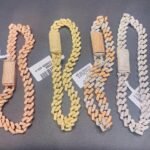

A diamond tennis bracelet is one of those jewelry pieces that can make an outfit feel special without trying too hard. Its continuous line of diamonds creates a refined sparkle that works with casual clothing, office outfits, and formal wear.
However, choosing the right bracelet involves more than finding a design that looks beautiful in a photograph. You also need to consider wrist size, diamond quality, metal type, setting style, clasp security, and your budget.
The best diamond tennis bracelet combines attractive design with comfortable wear and dependable construction. Understanding these details before buying can help you choose a piece you will enjoy for years.
In this guide, you will discover popular diamond tennis bracelet styles, how to find a comfortable fit, what diamond specifications mean, and which details deserve your attention before making a purchase.
What Is a Diamond Tennis Bracelet?
A diamond tennis bracelet is a flexible bracelet featuring a continuous line of individually set diamonds. The stones usually follow a consistent pattern around the wrist, creating an even, sparkling appearance.
Unlike a rigid bangle, a tennis bracelet uses connected sections that allow it to move naturally with your wrist. This flexibility gives it a graceful appearance and makes it comfortable when properly sized.
Traditional designs often feature round brilliant diamonds in white gold, yellow gold, or platinum. Modern versions may use different diamond shapes, colored gemstones, alternative metals, or more distinctive settings.
The name became widely associated with the style after tennis champion Chris Evert’s bracelet came loose during a match at the 1987 US Open. The incident helped popularize the term and made the bracelet recognizable beyond traditional fine-jewelry circles.
Today, diamond tennis bracelets remain popular because they balance simplicity, sparkle, and versatility.
Popular Diamond Tennis Bracelet Styles
The style you choose affects the bracelet’s appearance, comfort, and suitability for different occasions. Consider how you plan to wear it before deciding which design is right for you.
1. Classic Round Diamond Tennis Bracelets
Classic designs feature round brilliant diamonds arranged in a continuous row. Their balanced shape creates consistent sparkle and complements almost any outfit.
This style works well for first-time buyers because it is easy to wear alone or combine with other jewelry. It can also make a thoughtful anniversary, birthday, graduation, or milestone gift.
Choose this design if you prefer timeless jewelry rather than a piece tied to a short-lived trend.
2. White Gold Diamond Tennis Bracelets
White gold creates a cool, bright appearance that pairs naturally with colorless and near-colorless diamonds. Its understated finish also works well with silver-toned watches and other white-metal jewelry.
White gold commonly receives a rhodium coating to create its bright white surface. That coating can wear away over time, so occasional professional replating may be necessary.
When comparing white gold bracelets, check the gold purity, construction, and care requirements. A beautiful finish matters, but the bracelet should also suit your everyday routine.
3. Yellow Gold Diamond Tennis Bracelets
Yellow gold gives a diamond tennis bracelet a warm, traditional appearance. The contrast between golden metal and sparkling diamonds can make the design feel classic or vintage-inspired.
This option pairs nicely with yellow gold rings, necklaces, and watches. It can also create an attractive mixed-metal look when worn with white gold pieces.
Consider yellow gold if you want your bracelet’s metalwork to remain visible rather than blending into the diamonds.
4. Rose Gold Diamond Tennis Bracelets
Rose gold features a warm pinkish tone that creates a softer alternative to yellow or white gold. It can look romantic and distinctive without changing the familiar tennis bracelet silhouette.
Rose gold’s exact color depends on its alloy composition. Compare photographs under natural lighting when shopping online, because product images may not show the metal’s tone accurately.
This style is worth considering if you enjoy warm jewelry colors or want something slightly different from a traditional white gold bracelet.
5. Bezel-Set Diamond Tennis Bracelets
A bezel setting surrounds each diamond with a rim of metal. This creates a smooth outline and can help protect the stone’s edges from some everyday impacts.
Bezel-set designs often have a modern appearance. Their smoother surfaces may also be more practical for people who frequently wear delicate sleeves or knit fabrics.
However, a bezel setting does not make jewelry indestructible. The bracelet still needs appropriate care and periodic inspection.
6. Prong-Set Diamond Tennis Bracelets
Prong settings use small metal claws to hold individual diamonds in place. They allow more of each stone’s surface to remain visible, which can create a bright, classic appearance.
The trade-off is that exposed prongs may catch on clothing or become damaged through impacts. Regular checks are important, especially if you wear the bracelet frequently.
Choose a prong-set design if you value a traditional diamond look and are comfortable arranging occasional jewelry maintenance.
7. Channel-Set and Contemporary Designs
Channel settings hold diamonds between parallel metal edges. This creates a smooth, streamlined surface with fewer exposed prong tips.
Some contemporary bracelets feature baguette diamonds, alternating shapes, multiple rows, or a combination of diamond cuts. These designs can look more geometric or distinctive than traditional round-diamond bracelets.
Before buying, examine how the bracelet bends and how the stones are secured. A beautiful design should still move comfortably around your wrist.
How Should a Diamond Tennis Bracelet Fit?
Fit is one of the most important considerations when choosing a diamond tennis bracelet. A bracelet that is too tight may feel restrictive, while an excessively loose one can slide around or catch on nearby objects.
Your ideal fit depends on wrist circumference, bracelet construction, stone size, and personal preference.
Step 1: Measure Your Wrist
Use a flexible measuring tape to measure the part of your wrist where you intend to wear the bracelet.
Keep the tape close to your skin without pulling it tightly. If you only have a ruler, wrap a strip of paper around your wrist, mark the meeting point, and measure the paper afterward.
Record the measurement in inches or centimeters. If you are buying a gift, measure a bracelet the recipient already wears comfortably when possible.
Step 2: Allow Room for Movement
A tennis bracelet generally needs a little extra room beyond your wrist measurement. The exact amount depends on your preferred fit and the bracelet’s design.
As a starting point, some buyers prefer approximately 0.25 to 0.5 inches of additional length. This is a guideline, not a universal sizing rule.
A wider bracelet may need a different allowance from a narrow, flexible design. Ask the jeweler for sizing advice based on the actual bracelet.
Step 3: Check the Movement
When trying on a bracelet, move your wrist naturally. The bracelet should follow your movement without feeling restrictive.
It should not slide so far up your forearm that it becomes uncomfortable. Nor should it feel so tight that it presses into your skin.
If you are buying online, check the listed bracelet length and the seller’s sizing or adjustment policy before ordering.
Step 4: Consider Your Wrist and Bracelet Width
The same bracelet can look different on different wrists. A narrow design may appear delicate on a larger wrist, while a wider bracelet can create a more prominent look on a smaller wrist.
Think about proportion rather than assuming that a higher carat weight is always better. Your preferred appearance, comfort, and budget should guide the decision.
Step 5: Confirm the Clasp and Safety Features
A secure clasp is essential because the bracelet contains multiple diamonds that may be expensive to replace.
Look for a well-fitted clasp and ask whether the design includes a safety latch or secondary closure. These features provide additional security, but they do not eliminate the possibility of accidental opening.
If the clasp feels loose, difficult to close, or poorly aligned, ask the seller to inspect it before you wear the bracelet.
Understanding Diamond Quality in a Tennis Bracelet
Diamond quality affects a bracelet’s sparkle, appearance, and price. The familiar Four Cs—cut, color, clarity, and carat weight—provide a useful framework for comparing diamonds.
You can learn more from the Gemological Institute of America’s diamond buying guide.
Diamond Cut
Cut influences how effectively a diamond interacts with light. Round brilliant diamonds are popular because their facet arrangement can produce strong brilliance when well cut.
For a tennis bracelet, consistency across the row is especially important. A bracelet containing many diamonds should look balanced rather than having noticeable differences in sparkle.
Ask the seller what information is available about the diamonds’ cut quality. Do not assume that every stone has an individual grading report.
Diamond Color
Diamond color grades describe how much color is visible in a diamond under standardized grading conditions. Colorless and near-colorless diamonds are common choices for classic tennis bracelets.
A consistent color range can help the bracelet look more uniform. However, the best choice depends on the metal and your personal preference.
Yellow gold can create a warm contrast, while white gold and platinum often complement cooler-looking diamonds.
Diamond Clarity
Clarity describes internal characteristics and surface features known as inclusions and blemishes. Some characteristics are difficult to see without magnification, while others may affect a diamond’s appearance.
Because tennis bracelets contain multiple stones, consistency is often more useful than focusing on one specification in isolation. Ask how the seller evaluates and matches the diamonds.
Avoid paying extra for a clarity grade without understanding whether it creates a visible benefit in the finished bracelet.
Total Carat Weight
Tennis bracelets usually list total carat weight, often abbreviated as TCW. This represents the combined weight of the diamonds in the bracelet rather than the weight of one center stone.
A higher total carat weight can create a more substantial appearance, but it does not tell you everything about how the bracelet will look.
The individual diamond sizes, bracelet length, setting design, and amount of visible metal also influence the result. Compare photographs and specifications together instead of choosing by carat weight alone.
Which Metal Should You Choose?
The metal affects the bracelet’s color, maintenance, price, and overall appearance.
White gold: A bright, versatile option that complements many diamond designs. Check whether the piece has rhodium plating and what maintenance it may require.
Yellow gold: A warm, classic choice that pairs well with other yellow gold jewelry. Compare the gold purity and construction before buying.
Rose gold: A distinctive option with a pinkish tone. It suits people who prefer warmer metal colors.
Platinum: A premium white metal that is naturally white and does not need rhodium plating to maintain its color. It can develop a patina with wear and may cost more than gold.
When comparing gold bracelets, 14K and 18K gold have different proportions of pure gold and alloy metals. Neither option is automatically the best for every buyer. Consider your budget, preferred color, construction, and intended frequency of wear.
For additional guidance, read our related article, 14K vs 18K Gold: Which Is Better?
Natural vs. Lab-Grown Diamond Tennis Bracelets
Natural and lab-grown diamonds have essentially the same chemical composition and crystal structure. They can both be used to create beautiful tennis bracelets.
Natural diamonds form through geological processes, while lab-grown diamonds are produced using technological processes that replicate some of the conditions involved in diamond formation.
The choice often comes down to budget, personal preference, sourcing information, and the value you place on each origin. Lab-grown diamonds may offer a lower purchase price for comparable specifications, but prices and market conditions can change.
Ask the seller to identify the diamond origin clearly. Do not assume that a diamond is natural or lab-grown based on appearance alone.
For more background, consult the GIA’s information about natural and laboratory-grown diamonds.
How Much Should You Spend on a Diamond Tennis Bracelet?
There is no single correct budget for a diamond tennis bracelet. Prices vary considerably according to diamond origin, total carat weight, diamond quality, metal, setting, craftsmanship, and seller.
A smaller bracelet with modestly sized diamonds may suit a first-time buyer. A larger design with higher-grade stones or platinum construction can cost substantially more.
Instead of starting with the largest carat weight you can afford, decide which qualities matter most to you.
Use these questions to guide your budget:
- Do you want a subtle bracelet for regular wear or a statement piece for special occasions?
- Is natural or lab-grown diamond origin important to you?
- Which metal best suits your existing jewelry?
- Would you prefer a simple design or a more intricate setting?
- Does the price include resizing, cleaning, repairs, or other aftercare?
- Is the seller’s return policy suitable if the bracelet does not fit?
Compare the complete specifications of each bracelet. A lower price does not necessarily represent better value if the diamond details, clasp, construction, or return terms are unclear.
What to Check Before Buying a Diamond Tennis Bracelet Online
Shopping online gives you access to a wide range of styles, but product descriptions deserve careful attention.
Read the Full Product Specifications
Look for the bracelet length, metal purity, total diamond carat weight, diamond origin, available quality information, and setting type.
If any important detail is missing, ask the seller before placing your order. Do not rely on a product title or photograph to answer technical questions.
Review the Product Images
Look for clear images showing the bracelet from different angles. Close-up photographs can help you understand the setting, clasp, and proportions.
Remember that lighting, camera distance, and image editing can change how diamonds appear. Request additional images or a video if the listing does not provide enough detail.
Understand the Return and Warranty Terms
Read the return policy before purchasing. Check the deadline, condition requirements, potential restocking fees, and whether customized or resized jewelry is returnable.
A warranty is not necessarily the same as insurance. Ask what the warranty covers and whether routine maintenance, lost stones, accidental damage, and clasp repairs are included.
Check Documentation and Seller Transparency
Ask what documentation accompanies the bracelet. Some diamond reports apply to individual stones or particular groups of stones, while other bracelets may come with a seller’s specification or product certificate.
Do not assume that every diamond in a tennis bracelet has an independent grading report. Confirm exactly what the documentation covers.
Clear specifications, responsive customer support, and written policies make it easier to compare sellers confidently.
How to Style a Diamond Tennis Bracelet
One reason diamond tennis bracelets remain popular is their versatility. You can wear one alone or combine it with other accessories.
Wear It on Its Own
A single bracelet creates a clean, elegant look. This works well when you want your diamonds to stand out without competing with other jewelry.
Choose a design with proportions that feel balanced on your wrist and complement your usual clothing.
Pair It With a Watch
A tennis bracelet can look polished alongside a watch. Consider the watch’s size, bracelet width, metal color, and overall style.
Allow enough room for both pieces to move comfortably. If the bracelet rubs against the watch or catches on its edges, wear them on separate wrists.
Create a Bracelet Stack
You can combine a tennis bracelet with a simple chain bracelet or another slim design. Mixing textures can create visual interest without making the arrangement feel crowded.
Check that the pieces do not repeatedly knock against each other. Repeated contact may scratch metal or put unnecessary stress on settings.
Dress It Up or Down
A classic diamond bracelet can complement formal clothing, evening outfits, or a simple everyday look. You do not need to save it exclusively for special events.
If you wear yours frequently, remove it during activities that could expose it to heavy impacts, chemicals, or repeated friction.
How to Care for a Diamond Tennis Bracelet
Regular care helps maintain a bracelet’s appearance and gives you opportunities to notice potential problems early.
Clean the bracelet gently using lukewarm water, a small amount of mild dish soap, and a soft brush when the manufacturer’s instructions permit this method. Rinse carefully and dry with a soft, lint-free cloth.
Avoid harsh chemicals, abrasive cleaners, and sudden temperature changes. Do not use ultrasonic or steam cleaners without confirming that they are appropriate for the bracelet’s materials, gemstones, and construction.
Remove your bracelet before swimming, exercising, doing heavy housework, or using cleaning products. Chlorine and other chemicals can damage some jewelry materials, and impacts may loosen stones or damage links.
Store the bracelet separately in a soft-lined jewelry box to reduce scratches and tangling. Arrange professional inspections periodically, especially if you wear it often.
If you notice a loose diamond, damaged link, or faulty clasp, stop wearing the bracelet until a qualified jeweler checks it. A small repair may prevent a more expensive loss.
For more maintenance advice, read How to Care for Gold Jewelry: Complete Guide.
Common Mistakes to Avoid When Buying a Tennis Bracelet
Even attractive bracelets can disappoint when buyers overlook practical details.
Choosing by carat weight alone: Total carat weight does not fully explain diamond size, sparkle, or the bracelet’s visual proportions.
Ignoring wrist measurements: A beautiful bracelet may be uncomfortable if its length does not suit your wrist.
Overlooking the clasp: A weak or poorly functioning closure can put the entire bracelet at risk.
Assuming all diamond grades look the same: Diamond quality and consistency can affect the appearance of the finished piece.
Skipping the return policy: Online images cannot guarantee that a bracelet will look or fit exactly as expected.
Neglecting maintenance: Even well-made jewelry benefits from gentle care and occasional professional inspection.
Forgetting long-term costs: Resizing, replating, cleaning, and repairs may affect the total cost of ownership.
Taking time to compare these details helps you make a more informed purchase.
Frequently Asked Questions About Diamond Tennis Bracelets
Are diamond tennis bracelets suitable for everyday wear?
They can be suitable for frequent wear when they are well made, correctly fitted, and properly maintained. Remove yours during strenuous activities or situations where it could suffer impacts, snagging, or chemical exposure.
Should a tennis bracelet fit tightly or loosely?
It should feel comfortable and allow natural movement without being excessively loose. The ideal fit depends on wrist size, bracelet width, construction, and personal preference. Check the actual bracelet length before buying.
Is a higher total carat weight always better?
No. Higher total carat weight may create a bolder appearance, but it usually affects price as well. Diamond size, quality, setting, bracelet length, and comfort all matter.
Which setting is best for a diamond tennis bracelet?
There is no single best setting for everyone. Prong settings offer a classic appearance, while bezel and channel settings provide different levels of coverage and a smoother look. Choose based on appearance, comfort, and maintenance preferences.
Can you wear a tennis bracelet with a watch?
Yes. Many people combine the two for a polished look. Make sure the pieces fit comfortably and do not repeatedly rub against each other. Wearing them on separate wrists is another option.
Are lab-grown diamond tennis bracelets real diamonds?
Yes. Lab-grown diamonds have essentially the same chemical composition and crystal structure as natural diamonds. Their origin and market characteristics differ, so ask the seller to identify them accurately.
How can you tell whether a tennis bracelet is good quality?
Review the diamond specifications, metal purity, construction, setting security, clasp, product documentation, and seller policies. Ask a qualified jeweler to inspect the bracelet if you are unsure about its condition or quality.
How often should a diamond tennis bracelet be inspected?
Inspection needs depend on how frequently you wear it and how it is constructed. Have a jeweler check the settings, links, and clasp periodically, and seek an inspection immediately if anything feels loose or damaged.
Final Thoughts: Choosing the Right Diamond Tennis Bracelet
The best diamond tennis bracelet is one that suits your style, fits comfortably, and offers construction you can trust.
Start by measuring your wrist and deciding how you plan to wear the bracelet. Then compare the diamond quality, total carat weight, setting style, metal, clasp, and overall price.
Take time to review product specifications and ask questions when information is unclear. For online purchases, check the return policy and available documentation before committing.
A thoughtful choice can give you a versatile piece that works with different outfits and occasions. Focus on the details that matter to you, rather than assuming the most expensive or largest bracelet is automatically the right one.
Explore the wider SV Jewels & Co. jewelry collection and related diamond guides to continue learning about diamond quality, jewelry metals, and caring for fine jewelry.