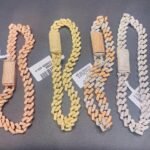

Diamond jewelry does not have to stay in your jewelry box until a special occasion. The right pieces can add a little sparkle to ordinary mornings, workdays, dinners, and weekends.
However, everyday jewelry needs more thought than an occasional statement piece. You want designs that feel comfortable, suit your routine, and are easy to maintain. You also want settings that can handle normal wear without unnecessary risk.
So, what is the best diamond jewelry for everyday wear? Simple diamond stud earrings, classic pendants, carefully chosen rings, and understated bracelets are popular options. Your ideal choice depends on your lifestyle, budget, and personal style.
This guide explains what to buy, which settings to consider, how to choose diamond quality, and how to care for your jewelry over time.
What Makes Diamond Jewelry Suitable for Everyday Wear?
Everyday diamond jewelry should fit naturally into your routine. It should look good with different outfits, feel comfortable, and suit the activities you usually do.
Consider these five factors before buying.
Comfort: Jewelry should not snag on clothing, feel heavy, or interfere with your daily activities.
Setting security: The diamond should be held securely. Delicate prongs and exposed stones may need extra attention during active tasks.
Versatility: Classic designs can work with office clothes, casual outfits, and evening wear.
Maintenance: Consider how easily the piece can be cleaned and inspected.
Budget: Choose a price you can comfortably afford, including future cleaning, repairs, and insurance where appropriate.
A durable diamond is not indestructible. Diamonds resist scratching well, but a hard impact can still chip them. Metal settings can also wear down or loosen with time.
Think about how you will wear a piece before choosing its design. Jewelry that suits your real routine is more useful than a beautiful item you rarely feel comfortable wearing.
The Best Types of Diamond Jewelry for Everyday Wear
You do not need a large collection to enjoy diamond jewelry daily. Start with one or two versatile pieces, then add other designs that suit your preferences.
1. Diamond stud earrings
Diamond studs are among the easiest pieces to incorporate into a daily wardrobe. Their simple design works with casual clothing, office outfits, and more formal looks.
Small or moderate-sized studs can offer a subtle sparkle without dominating your appearance. Classic round studs are versatile, while princess-cut and other shapes create a different look.
When choosing everyday studs, consider:
- A comfortable size and weight.
- Secure backs that fit properly.
- Settings that do not catch easily on hair or clothing.
- A metal that suits your skin and style preferences.
- A design that feels appropriate for your usual activities.
Check the backs and settings regularly. Remove earrings before activities where they could catch, get knocked, or be lost.
For more details, read our guide to Diamond Earrings: How to Choose the Perfect Pair.
2. Diamond pendant necklaces
A diamond pendant is another practical option. It adds a small focal point without requiring you to coordinate several accessories.
A solitaire pendant offers a clean, classic look. A halo pendant adds extra detail, while geometric designs can create a more modern appearance.
Consider the chain length and pendant size together. A pendant should sit comfortably with your usual necklines and should not feel awkward when you move.
For everyday wear, look for a chain that feels suitable for regular use and a clasp that closes securely. Check the connection between the pendant and chain, since small components can wear over time.
Remove your necklace when it could become tangled or exposed to harsh chemicals. Store it separately to reduce knots and scratches.
3. Diamond rings
Diamond rings can become meaningful everyday accessories, whether they are engagement rings, wedding bands, or fashion rings.
The best design depends on how much you use your hands. If your routine involves typing, cooking, lifting, gardening, or working with tools, consider how the ring’s profile and setting may affect comfort and safety.
A lower-profile setting may catch less often than a high setting. Bezel settings surround the diamond’s edge with metal, while prong settings expose more of the stone.
Neither design is automatically right for everyone. The quality of the setting, the stone’s position, and the ring’s construction all matter.
Before buying, try to understand the ring’s height, width, and fit. Check whether the design feels comfortable when your hand is relaxed and moving.
Read Diamond Rings: How to Choose the Right Style for more guidance on comparing designs.
4. Diamond bracelets
A diamond bracelet can add sparkle without requiring a ring or necklace. Tennis bracelets are a classic option, while delicate diamond station bracelets provide a lighter, more understated look.
For everyday use, pay attention to the clasp, flexibility, and fit. A bracelet that is too loose may catch on objects or slide around. One that is too tight can feel uncomfortable.
Check whether the design suits your work and leisure activities. Repeated impacts against desks, equipment, or hard surfaces may put stress on stones and settings.
If you prefer a bracelet you can wear often, prioritize secure construction and a comfortable fit over size alone.
5. Diamond huggie hoops and small hoops
Small diamond hoops and huggie earrings offer a slightly different look from classic studs. They can be elegant without feeling overly formal.
Check that the closure locks securely and that the earrings fit comfortably around your earlobes. The best size depends on your ear shape and preferred style.
If you exercise, sleep, or participate in activities where hoops could catch, remove them beforehand. Even small hoops can snag under the wrong conditions.
6. Delicate diamond necklaces and layered pieces
Layered necklaces can create a stylish everyday look, especially when you combine a simple diamond pendant with plain chains.
However, more layers can mean more tangling. Choose lengths that sit comfortably together and avoid combinations that repeatedly rub against each other.
If you prefer a low-maintenance routine, begin with one well-made necklace. Add layers only if you enjoy the extra styling and are willing to manage the additional care.
Which Diamond Setting Is Best for Everyday Wear?
The setting affects how a diamond looks and how it is held in place. It can also influence comfort, cleaning, and maintenance.
Bezel settings
A bezel setting uses a rim of metal around the diamond’s edge. This can help protect the stone’s perimeter from some everyday knocks.
Bezel designs often have a clean, modern appearance. However, the final durability still depends on the setting’s construction and condition.
Prong settings
Prong settings hold a diamond using small metal claws. They allow more of the stone to remain visible and are popular in rings, earrings, and pendants.
Prongs can wear down or become bent. Inspect them regularly, and remove jewelry before activities that may catch or strike the setting.
Halo settings
Halo designs surround a center diamond with smaller stones. They can create a more elaborate appearance and make the center stone look visually prominent.
Because they contain more stones and small setting components, halo pieces may require additional inspection and cleaning.
Pavé settings
Pavé jewelry uses many small stones set close together. This creates a continuous sparkle, but it also introduces more small settings that need attention.
For active daily routines, consider whether the piece’s design and maintenance requirements suit your habits.
The best setting is not simply the one that looks strongest. It is one that is well made, properly fitted, appropriate for the stone, and suited to how you plan to wear it.
How to Choose Diamond Quality for Everyday Jewelry
You do not need the highest grade in every diamond characteristic to find a beautiful everyday piece. The goal is to choose a balanced combination that suits your priorities and budget.
Cut
Cut affects how a diamond interacts with light. A well-cut diamond can display attractive brightness and sparkle.
If sparkle is important to you, review the cut information and compare the stone’s appearance. Do not choose by carat weight alone.
Color
Color grading for many standard white diamonds uses a scale from D to Z. The difference you notice depends on the diamond, the setting, and your preferences.
You may not need the highest color grade for every design. Compare stones in the metal color you plan to wear.
Clarity
Clarity describes internal characteristics called inclusions and external characteristics called blemishes. Some are difficult to see without magnification, while others may affect the appearance.
For everyday jewelry, consider how the actual stone looks rather than choosing a clarity grade based on its label alone.
Carat weight
Carat measures a diamond’s weight, not its exact visible size. A smaller diamond can be an excellent choice for everyday jewelry, particularly if you prefer a subtle look.
Review the diamond’s measurements and shape alongside its weight. A comfortable, well-proportioned piece may be more useful than a larger stone that does not suit your routine.
For more guidance, explore Diamond Carat Size: What Does It Really Mean?
Which Metal Should You Choose?
The metal affects the jewelry’s appearance, maintenance, and overall feel.
Yellow gold: Offers a warm, classic appearance. It can pair beautifully with traditional and contemporary designs.
White gold: Creates a bright, neutral look that works with many diamond styles. Some white gold jewelry has a rhodium finish that may need maintenance over time.
Rose gold: Provides a warmer pink tone that can look distinctive with diamond accents.
Platinum: A naturally white precious metal often chosen for fine jewelry. Its weight, finish, construction, and maintenance requirements should all be considered.
No metal makes a piece immune to wear. Gold alloys and platinum can scratch, and settings can need servicing. Choose a metal based on appearance, comfort, budget, and the care you are willing to provide.
How Much Should You Spend on Everyday Diamond Jewelry?
There is no single correct budget for everyday diamond jewelry. The right amount depends on your finances, the type of piece, and how often you expect to wear it.
Before shopping, decide on a comfortable spending limit. Remember that the total cost may include the setting, metal, taxes, shipping, and future maintenance.
Compare the complete piece rather than focusing only on the diamond’s carat weight. A smaller stone in a well-made design may be more suitable for everyday use than a larger stone in a setting that does not match your routine.
Ask for clear product specifications. If a diamond grading report is available, check that it corresponds to the stone being offered.
For valuable jewelry, consider whether insurance is appropriate and what documentation you would need for coverage. Keep purchase records and any grading reports in a safe place.
Avoid stretching your budget just to reach a particular carat weight or brand name. Everyday jewelry should be enjoyable to wear, not a source of financial pressure.
What Diamond Jewelry Should You Avoid Wearing Every Day?
You do not necessarily need to avoid a particular diamond shape or setting. Instead, consider whether the piece suits the activities you do.
High-profile rings may catch on gloves or clothing. Long earrings may be unsuitable for activities where they could snag. Delicate chains can tangle, while loose bracelets may strike hard surfaces.
Jewelry with visible damage or loose stones should not be worn until it has been inspected.
Remove diamond jewelry before gardening, heavy exercise, household cleaning, and other activities that can expose it to impacts or chemicals. Swimming can also increase the risk of losing a ring, especially if your fingers become colder and the fit changes.
If you work with machinery or tools, follow workplace safety requirements and remove jewelry where it presents a hazard.
The goal is not to keep your diamond jewelry hidden. It is to wear it thoughtfully and protect it from avoidable damage.
How to Care for Diamond Jewelry You Wear Regularly
A simple care routine can help keep everyday jewelry looking its best.
Clean it gently. For suitable pieces in good condition, mild soap, warm water, and a soft brush can remove ordinary residue. Different gemstones, treatments, and settings may require different care.
Avoid harsh chemicals. Remove jewelry before using household cleaners, bleach, or other strong chemicals. Lotions and cosmetics can also leave residue.
Inspect the settings. Look for bent prongs, gaps, loose stones, or damage. Stop wearing the piece if a stone appears loose.
Store pieces separately. Diamonds can scratch other jewelry, and settings may become tangled or damaged when pieces rub together.
Schedule professional checks. A jeweler can assess the setting and recommend appropriate maintenance based on the piece’s design and condition.
Do not assume that a diamond’s hardness makes it indestructible. Strong impacts can cause chips, and settings can wear over time.
For step-by-step instructions, read How to Clean Diamond Jewelry Safely at Home.
How to Buy Diamond Jewelry Online
Online shopping can help you compare designs, but check the details before placing an order.
Look for clear information about the diamond’s type, carat weight, cut, color, clarity, and measurements where available. If the piece contains multiple stones, check whether the listed carat weight refers to the center stone or the total weight.
Review photographs from different angles and examine the metal, setting, clasp, and overall dimensions. Images are useful, but they may not reproduce the exact size or sparkle you will see in person.
Read the return policy, shipping terms, warranty conditions, and any available grading documentation. Ask the seller to clarify anything important that is missing.
If you are browsing the SV Jewels website, compare the available product specifications with your everyday needs. Choose pieces that fit your style, comfort, and budget rather than selecting only by appearance in a photograph.
Frequently Asked Questions About Everyday Diamond Jewelry
What is the best diamond jewelry for everyday wear?
Diamond studs, simple pendants, low-profile rings, and well-fitted bracelets are popular options. The best piece depends on your style, work, activities, comfort, and maintenance preferences.
Can I wear diamond jewelry every day?
Yes, many diamond pieces are designed for frequent wear. However, remove them during activities that could cause impacts, snagging, chemical exposure, or loss. Inspect the setting regularly.
Are diamond studs good for everyday wear?
Diamond studs are versatile and often comfortable. Choose a suitable size, secure backs, and a setting that fits your routine. Remove them during activities where they could catch or be damaged.
Is a bezel setting better for daily wear?
A bezel setting surrounds the diamond’s edge with metal and may offer additional protection against certain knocks. Its suitability still depends on construction, fit, and the way you use the jewelry.
What carat size is best for everyday diamond jewelry?
There is no universal best carat size. Choose a weight and shape that suit your preferences, budget, and comfort. Check the stone’s measurements rather than relying on carat weight alone.
Should I sleep with diamond jewelry on?
Removing jewelry before sleep can reduce the risk of snagging, discomfort, and unnecessary wear. Small earrings, chains, and rings may catch on bedding or place pressure on settings.
How often should everyday diamond jewelry be cleaned?
Clean suitable pieces when visible residue appears and follow the manufacturer’s care instructions. Frequently worn jewelry may need more regular cleaning, while delicate or mixed-gemstone pieces may require professional advice.
How can I make everyday diamond jewelry last longer?
Choose suitable settings, remove jewelry during risky activities, clean it gently, store it separately, and arrange inspections when needed. Seek professional help if a stone becomes loose or the setting is damaged.
Final Thoughts: Choose Jewelry That Fits Your Real Life
The best diamond jewelry for everyday wear is beautiful, comfortable, and suited to your routine. Simple studs, versatile pendants, thoughtfully chosen rings, and well-fitted bracelets can all become dependable favorites.
Consider the setting, metal, diamond quality, maintenance needs, and total price before buying. You do not need the largest diamond or the most elaborate design to find a piece you will enjoy wearing.
Protect your jewelry by removing it during risky activities, cleaning it appropriately, and checking the settings regularly. With sensible choices and consistent care, you can enjoy diamond jewelry beyond special occasions and make it part of your everyday style.