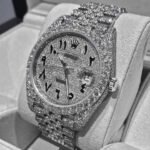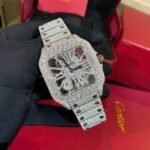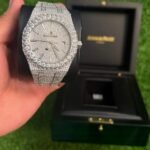

Luxury watches for women combine timekeeping, personal style, and thoughtful design. From elegant dress watches to modern stainless steel pieces, the right timepiece can complement your wardrobe and suit many occasions.
However, choosing a luxury watch involves more than finding an attractive dial. Case size, movement, materials, strap design, comfort, and maintenance all influence your experience as an owner.
Some women prefer delicate, minimalist watches. Others enjoy bold cases, mechanical movements, diamond details, or sporty designs. There is no single style that suits everyone, and a watch does not need to follow traditional gender labels to look beautiful on your wrist.
This guide explores popular women’s luxury watch styles, explains important features, and shares practical buying tips. Whether you are choosing your first luxury watch or adding another timepiece to your collection, these suggestions can help you make a confident decision.
1. What Makes a Luxury Watch Special?
A luxury watch is more than an accessory that tells time. Its appeal may come from the quality of its materials, the finishing of its case, its movement, its design, and the care taken during manufacturing.
Some watches feature intricate mechanical movements that appeal to enthusiasts. Others use quartz technology for accurate, convenient timekeeping. Both can be attractive choices when the watch is well designed and suited to its purpose.
Look at the details before judging a watch by its price or brand name. Check the dial, hands, case finishing, bracelet connections, crystal, and available service support.
Comfort also matters. A beautiful watch should feel good to wear, sit securely on your wrist, and suit the occasions for which you intend to use it.
The best luxury watch is one that balances appearance, practicality, quality, and your personal preferences.
2. Popular Luxury Watch Styles for Women
Understanding the main watch styles can make shopping easier. Start with the designs you naturally gravitate toward, then compare their features and proportions.
Classic dress watches
Dress watches usually have clean dials, understated details, and refined proportions. They are designed to complement formal clothing, office outfits, and special occasions.
Silver, white, black, and champagne-colored dials can be easy to coordinate with different wardrobes. Leather straps may create a traditional look, while polished metal bracelets can make the watch more versatile.
Choose a dress watch if you prefer elegance without too many decorative details. Consider the case thickness if you plan to wear it beneath shirt cuffs or fitted sleeves.
Minimalist watches
Minimalist watches use simple dial layouts, restrained markers, and limited decoration. Their clean appearance can suit casual outfits, business clothing, and evening wear.
A minimalist design may be a good choice if you want one watch that works across different settings. Simple designs also allow other accessories, such as rings or bracelets, to stand out.
Stainless steel watches
Stainless steel watches are versatile and can work well for everyday wear. Depending on their dial, bracelet, and finishing, they can appear sporty, modern, or elegant.
Steel bracelets are often practical for frequent use, although they can collect dirt between links and develop scratches over time.
Consider the weight and fit before buying. If you prefer a lighter watch, compare the dimensions and materials of the specific models you are considering.
Gold and two-tone watches
Gold watches create a warm, classic appearance. Two-tone designs combine gold-colored details with another metal finish, providing more flexibility when coordinating jewelry.
Check the product description carefully. Solid gold, gold-plated, and gold-tone finishes are different, and their durability and care requirements can vary.
A gold watch can be a beautiful addition to a jewelry collection, but the best option depends on your budget, style, and how frequently you plan to wear it.
Diamond and gemstone watches
Some luxury watches include diamonds or other gemstones on the dial, bezel, or bracelet. These details can add sparkle and create a more jewelry-focused appearance.
If you are considering a diamond watch, check whether the stones are natural or laboratory-grown when that distinction matters to you. Review any available grading information, product documentation, and details about the setting.
Gemstone embellishments should complement the watch’s overall design rather than replace careful evaluation of the movement, construction, and fit.
Sports and dive-style watches
Sports watches often emphasize readability, durability, and practical features. Some include luminous markers, robust cases, rotating bezels, or enhanced water resistance.
Dive-style designs can be worn as everyday accessories, but their suitability for swimming or diving depends on the actual model and its specifications.
Never assume that a sporty appearance guarantees water resistance. Check the manufacturer’s guidance before using a watch in water or during demanding activities.
Modern statement watches
Statement watches stand out through bold cases, unusual shapes, colorful dials, or distinctive materials. They can be ideal if you enjoy accessories that express your personality.
Before buying, consider how the watch feels on your wrist and whether its size suits your daily activities. A striking design can still be comfortable and versatile when the proportions are right.
3. Choose a Watch That Matches Your Lifestyle
Your daily routine is one of the best guides when choosing a luxury watch.
For work: A clean dial, comfortable bracelet, and restrained design can transition between meetings and after-work plans.
For formal occasions: A slim dress watch or refined metal bracelet can complement evening wear and special-event outfits.
For everyday wear: Prioritize comfort, durability, readability, and a design that matches several outfits.
For travel: Consider easy time adjustment, readability, a secure strap, and any time-zone functions you may need.
For active lifestyles: Look for appropriate shock resistance, water resistance, and manufacturer guidance. Avoid wearing a delicate watch during activities for which it was not designed.
For special occasions: Diamond details, gold finishes, or a distinctive dial can create a memorable look. Consider whether you will also wear the watch regularly, or reserve it for specific events.
If you want one watch for multiple situations, a versatile steel or two-tone design may be a practical starting point. Choose based on your actual preferences rather than assumptions about which styles women should wear.
4. Find the Right Watch Size and Fit
The right watch size is about proportion and comfort, not a strict rule about gender. Women can enjoy small, medium, or large cases, depending on their wrist size and personal style.
Case diameter is commonly measured in millimeters, but diameter alone does not determine fit. Case thickness, lug-to-lug length, bracelet width, and weight all affect how a watch looks and feels.
How to choose a comfortable fit
- Measure your wrist circumference with a flexible measuring tape.
- Compare the case dimensions with watches you already find comfortable.
- Check whether the lugs extend beyond the sides of your wrist.
- Consider the weight of the case and bracelet.
- Make sure the strap or bracelet can be adjusted properly.
- Think about how the watch sits beneath sleeves or other clothing.
Smaller watches can create a delicate, understated appearance. Larger watches can make a bold statement and may offer a dial that is easier to read.
Neither option is automatically more elegant. Try a watch on when possible, or check detailed measurements and return conditions when shopping online.
5. Automatic vs. Quartz Watches for Women
The movement is the mechanism that powers a watch and keeps time. Automatic and quartz movements are two common choices.
Automatic watches
An automatic watch uses a mechanical movement powered by a mainspring. Wrist movement winds the spring in many models, and some can also be wound manually.
Automatic watches appeal to people who appreciate mechanical craftsmanship and traditional watchmaking. Some have transparent case backs that reveal their moving components.
However, automatic watches may stop when their power reserve runs out. Their accuracy varies by movement, and they can require periodic professional servicing.
Quartz watches
A quartz watch uses an electronic circuit regulated by a vibrating quartz crystal. Most conventional battery-powered models are convenient and generally more accurate than ordinary mechanical watches.
They typically need less movement-related maintenance, although batteries eventually require replacement. Solar-powered quartz watches use light to replenish stored energy.
Which movement should you choose?
Choose automatic if you enjoy mechanical construction and do not mind occasional time adjustments or servicing.
Choose quartz if you prioritize accuracy, convenience, and straightforward ownership.
Neither movement determines whether a watch is fashionable or luxurious. Focus on the design, materials, comfort, and specifications of the particular model.
For more detail, read our related guide, Automatic vs. Quartz Watches: Which Should You Choose? Add an internal link to its published WordPress URL.
6. Select Materials That Suit Your Style
The case and strap affect the watch’s appearance, weight, durability, and maintenance requirements.
Stainless steel
Stainless steel is versatile and works with many styles. It can look modern, understated, or sporty depending on the dial and case finishing.
A steel bracelet is useful for frequent wear, but it may develop scratches and need occasional cleaning. Check the clasp and bracelet adjustment options before purchasing.
Gold and gold-tone finishes
Gold-colored watches can complement gold rings, necklaces, and bracelets. However, the stated material matters.
Solid gold contains gold throughout the relevant material, while gold-plated items have a surface layer over another material. A gold-tone finish may simply describe the color.
Read the product specifications carefully, especially if material composition affects your decision.
Leather straps
Leather straps can create a refined and traditional appearance. They are often comfortable, but moisture, heat, and regular wear can shorten their lifespan.
If you wear your watch frequently, check the availability and cost of replacement straps.
Rubber and fabric straps
Rubber straps may suit sporty designs and active routines. Fabric straps can create a relaxed appearance and may be easy to change.
Their suitability depends on the specific material, construction, and care instructions. Consider comfort, durability, and how the strap coordinates with your wardrobe.
Ceramic and other materials
Ceramic is used in some watches for its distinctive finish and scratch-resistance properties. However, ceramic can be vulnerable to certain impacts.
Compare materials according to your lifestyle rather than assuming any material is indestructible.
7. Understand the Features Before You Buy
Luxury watches may offer additional functions, often called complications. Some are useful in everyday life, while others are mainly attractive to enthusiasts.
Date display: Useful if you like having the date available at a glance.
Chronograph: Provides stopwatch functionality and often includes additional subdials.
GMT function: Helps track a second time zone, which may be useful for frequent travellers.
Luminous markers: Improve readability in low-light conditions, depending on the watch’s design and luminous material.
Rotating bezel: Can help measure elapsed time or perform other model-specific functions.
Power-reserve indicator: Shows remaining energy on certain mechanical watches.
More features do not necessarily make a watch better. Additional functions can affect dial readability, complexity, price, and servicing needs.
Choose features that fit your routine. If you mainly want an elegant everyday watch, a simple time-and-date display may be all you need.
8. Coordinate Your Watch With Your Jewelry
A watch can work beautifully with rings, bracelets, necklaces, and earrings. The goal is to create a balanced look rather than match every accessory exactly.
Match the overall tone
If you often wear yellow gold, a gold or gold-tone watch may coordinate naturally with your jewelry. Silver-tone steel can complement many different styles, while two-tone designs offer more flexibility.
Mixing metals can also look intentional. Repeat a color or finish elsewhere in your outfit if you want the combination to feel cohesive.
Balance statement pieces
If your watch has a decorative dial or diamond details, consider wearing simpler bracelets nearby. This allows the watch to remain a focal point.
A minimalist watch can pair well with more noticeable rings or necklaces because it does not compete for attention.
Consider comfort
Stacking bracelets beside a watch may create a stylish look, but ensure that the pieces do not make movement uncomfortable or scratch delicate surfaces.
Metal jewelry can rub against a watch case or bracelet. Give each item enough space and follow the manufacturer’s care advice.
The most successful combination reflects your personal style. There is no universal rule that every watch must match every piece of jewelry.
9. Set a Realistic Budget
Luxury watches are available across a wide range of prices. Set a budget before shopping so you can compare options that meet your needs.
Remember to consider the total cost of ownership, not just the initial price. Depending on the model, you may need to budget for servicing, battery replacements, strap changes, bracelet adjustment, or repairs.
When comparing watches, ask:
- Are the materials described clearly?
- Does the movement suit my preferences?
- Is servicing available?
- Are replacement parts or straps accessible?
- What does the warranty cover?
- Is the seller’s return policy clear?
A more expensive watch is not automatically the better choice. Compare construction, comfort, specifications, and service support rather than relying only on brand reputation.
10. Check Quality, Authenticity, and Warranty
Before buying a luxury watch, review the product details carefully.
Check the dial alignment, case finishing, bracelet connections, crystal, clasp, and operation of the crown or buttons. These details help you assess the overall construction.
Sapphire crystal is used in many premium watches because of its scratch resistance, although it can still be damaged by certain impacts. Other crystals may have different performance characteristics.
If a watch is described as solid gold, diamond-set, or made with another premium material, make sure the product documentation supports that description.
When shopping online, verify the model reference and compare the specifications with manufacturer information. A box or serial number alone does not prove authenticity.
For a high-value or pre-owned watch, consider a qualified professional or authorized service provider who can inspect it.
Review the warranty provider, coverage period, exclusions, and service arrangements. Also check the seller’s return policy before placing an order.
Be cautious of unusually low prices, vague descriptions, pressure to pay quickly, and sellers who avoid reasonable questions.
11. Understand Water Resistance and Maintenance
Water resistance is a technical specification, not a guarantee that a watch can be used in every wet environment.
The appropriate use depends on the model’s rating, construction, condition, and manufacturer instructions. Water resistance may be affected by aging seals, impacts, or improper handling.
If you want to swim or participate in water sports while wearing a watch, check the manufacturer’s guidance for that exact model.
Maintenance also depends on the movement. Automatic watches may need periodic mechanical servicing, while quartz watches generally need less movement-related attention but may require battery replacement.
Solar-powered watches can reduce conventional battery changes, but their rechargeable power systems may eventually need attention.
Clean the case and bracelet according to the manufacturer’s instructions. Keep leather straps away from prolonged moisture, avoid unnecessary impacts, and seek professional help if condensation appears beneath the crystal.
Follow the recommended service guidance for your specific watch rather than assuming every model has the same requirements.
12. Buying Luxury Watches for Women Online
Online shopping makes it easy to compare designs, materials, and features. However, clear product information is essential.
Before ordering, confirm the case dimensions, movement, materials, strap type, warranty, shipping terms, and return policy. Look for clear product photography and accessible customer support.
If you are exploring jewelry and accessories from SV Jewels, visit the SV Jewels website and check the products currently available. You can also browse the shop page and learn more through the About SV Jewels & Co. page.
Check each listing to confirm that it matches your expectations. Do not assume a particular watch, movement, or material is available unless the product page confirms it.
Before completing your order, make sure you understand the seller’s return policy and know how to contact customer support if an item arrives damaged or differs from its description.
13. A Simple Checklist for Choosing a Women’s Luxury Watch
Use this checklist to compare your favourite options.
- Style: Does the watch match your personal taste and wardrobe?
- Fit: Are the case size, thickness, and weight comfortable?
- Movement: Do you prefer automatic or quartz?
- Materials: Do the case and strap suit your daily routine?
- Features: Will you use the functions included?
- Budget: Can you afford the purchase and ongoing care?
- Quality: Are the specifications and construction clearly described?
- Authenticity: Can you verify the model and seller?
- Warranty: Do you understand the coverage and service options?
- Returns: Can you return the watch under the stated conditions?
If two watches look equally appealing, compare their comfort, service availability, and practical usefulness. A thoughtful choice should suit both your style and your expectations for ownership.
Frequently Asked Questions
What is the best luxury watch style for women?
There is no single best style. Dress watches offer understated elegance, minimalist designs are versatile, and sports watches provide practical features. Choose the style that suits your wardrobe, activities, and personal preferences.
Are luxury watches for women always small?
No. Watch size is a matter of personal preference and wrist proportions. Some women prefer small, delicate cases, while others enjoy larger watches with bold dials. Fit and comfort matter more than traditional labels.
Are automatic watches better than quartz watches?
Neither is universally better. Automatic watches appeal to people who appreciate mechanical craftsmanship, while quartz watches are generally more accurate and convenient for everyday use.
Can I wear a luxury watch every day?
Yes, provided its construction and specifications suit your routine. Check water resistance, impact limitations, comfort, and strap care before wearing it in demanding conditions.
Should my watch match my jewelry?
It does not have to match exactly. Coordinating metal tones and balancing decorative details can create a cohesive look, but mixing metals can also be stylish when it feels intentional.
Are diamond watches worth buying?
A diamond watch may be worthwhile if you value its appearance and construction. Check the stone information, setting quality, materials, and overall specifications before purchasing.
How do I care for a luxury watch?
Follow the manufacturer’s cleaning, storage, water-resistance, and servicing instructions. Avoid unnecessary impacts and seek professional help if the watch is damaged or develops condensation.
Final Thoughts
Luxury watches for women come in many styles, from classic dress watches and minimalist designs to sporty pieces and diamond-set timepieces. The right watch should complement your personal style while meeting your practical needs.
Compare movement, case size, materials, features, comfort, warranty, and maintenance before making your decision. When shopping online, verify the product details and seller policies instead of relying on photographs alone.
Whether you prefer a delicate design or a bold statement watch, choose a timepiece you genuinely enjoy wearing. The best luxury watch is the one that fits your wrist, your lifestyle, and your personal taste.