
A diamond necklace can be one of the most versatile pieces in a jewelry collection.
It can add subtle sparkle to an everyday outfit or become the centerpiece of an elegant evening look. Diamond necklaces can also make meaningful gifts for birthdays, anniversaries, weddings, graduations, Mother’s Day, and other important occasions.
However, choosing the right diamond necklace involves more than finding a design that looks beautiful in a photograph.
You need to consider the diamond’s quality, shape, setting, metal, necklace length, overall design, and intended use.
You also need to understand how the diamond’s 4Cs affect its appearance and price.
The good news is that you do not need to be a diamond expert to make a confident decision.
Once you understand the basics, it becomes much easier to compare different styles and find a necklace that matches your personality, wardrobe, and budget.
This guide explains the most popular diamond necklace styles, diamond cuts and shapes, important buying considerations, and practical tips for choosing a piece you will enjoy for years.
Why Choose a Diamond Necklace?
Diamond necklaces combine elegance with versatility.
A delicate diamond pendant can be worn every day. A diamond tennis necklace can create a luxurious statement. A diamond station necklace can offer a modern appearance without feeling too formal.
This variety makes diamond necklaces suitable for many different personalities.
They can also complement other jewelry.
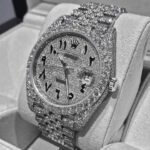
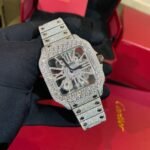
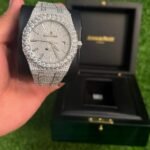
A diamond necklace can be worn with diamond earrings, gold rings, bracelets, or a luxury watch.
The key is choosing the right proportions.
A large statement necklace may need simpler earrings and bracelets. A delicate pendant can be layered with other necklaces.
There is no single perfect style.
The best diamond necklace is the one that fits the wearer’s personal style and lifestyle.
Understand the Diamond 4Cs
Before choosing a necklace, understand the four basic characteristics used to describe diamond quality:
- Cut
- Color
- Clarity
- Carat weight
GIA identifies these four characteristics as the 4Cs and uses them as a standardized framework for evaluating diamonds.
Understanding the 4Cs can help you compare diamond necklaces more intelligently.
Diamond Cut
Cut describes how a diamond’s proportions, facets, symmetry, and polish interact with light.
It is not the same as diamond shape.
A round diamond, for example, is a shape. Its cut quality describes how effectively it reflects light.
GIA explains that cut strongly influences brightness, fire, and scintillation.
For many buyers, sparkle is one of the first things they notice.
That makes cut an important consideration when choosing a diamond necklace.
Diamond Color
Diamond color refers to the degree of color present in a diamond.
For diamonds in the traditional D-to-Z range, higher grades indicate less noticeable body color.
You do not necessarily need the highest color grade to get a beautiful necklace.
The metal surrounding the diamond can also influence how its color appears.
A diamond set in yellow or rose gold may appear warmer, while white gold or platinum can create stronger contrast.
Diamond Clarity
Clarity refers to internal inclusions and external blemishes.
Higher clarity grades generally contain fewer or less noticeable characteristics.
For many diamond necklaces, the most important consideration is whether the diamond looks attractive to the unaided eye.
A diamond does not necessarily need the highest clarity grade to look beautiful.
This can allow you to allocate more of your budget toward factors that are more noticeable in the finished necklace.
Diamond Carat Weight
Carat weight measures a diamond’s weight.
It does not directly measure the diamond’s visual size.
Two diamonds with the same carat weight can have different face-up appearances depending on their shape and proportions.
For a necklace, total carat weight may refer to one central diamond or multiple diamonds throughout the design.
Always check the product description carefully so you know whether the stated carat weight applies to one stone or the entire piece.
Diamond Necklace Styles
The design of the necklace can completely change its appearance.
Here are some of the most popular styles to consider.
Diamond Solitaire Necklaces
A diamond solitaire necklace features one primary diamond.
The simple design allows the center stone to become the focal point.
This makes solitaire necklaces excellent for someone who prefers minimalist jewelry.
A round brilliant diamond is a classic choice, but oval, pear, princess, and other shapes can create a more distinctive appearance.
Solitaire necklaces can also work well as gifts because their simplicity makes them easy to style.
Diamond Pendant Necklaces
Diamond pendants come in countless designs.
The pendant may feature a single diamond, multiple stones, an initial, heart, cross, geometric shape, or another meaningful symbol.
This makes diamond pendants especially useful when you want a necklace with personal significance.
You can choose the pendant according to the recipient’s personality.
Someone who prefers minimal jewelry may like a small solitaire pendant.
Someone who enjoys statement jewelry may prefer a larger geometric or multi-diamond design.
Diamond Tennis Necklaces
A diamond tennis necklace features diamonds arranged continuously or closely along the necklace.
The result is a high-impact appearance with plenty of sparkle.
Tennis necklaces are particularly suited to formal events, celebrations, and luxury styling.
However, they can also be worn with simple clothing when you want the necklace to become the main feature of your outfit.
When purchasing one, pay close attention to the total carat weight, diamond matching, setting security, metal, clasp, and overall construction.
Because the necklace contains multiple stones, consistent appearance is especially important.
Diamond Station Necklaces
Station necklaces feature diamonds positioned at intervals along the chain.
This creates a lighter appearance than a fully diamond-covered necklace.
They can be a great option for everyday wear because they combine sparkle with a relatively understated design.
Station necklaces can also be layered with other chains.
For someone who enjoys modern jewelry styling, this can make the necklace particularly versatile.
Diamond Chokers
Diamond chokers sit higher on the neck than traditional necklace lengths.
They can create a bold and contemporary appearance.
A diamond choker may work especially well for evening wear or fashion-forward styling.
Before buying one, make sure the length is comfortable.
A necklace that sits too tightly can quickly become uncomfortable.
Diamond Chain Necklaces
Diamond chain necklaces combine a chain design with diamonds or diamond-like stones.
The diamonds may be incorporated into individual links, pendants, or sections of the chain.
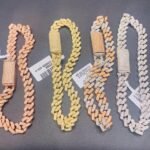
These necklaces can range from subtle designs to large statement pieces.
At SV Jewels & Co., the current Chains collection includes multiple statement necklace and chain designs, including diamond-inspired and stone-set styles.
This makes the Chains category a strong internal-link destination for readers interested in broader necklace styles.
Diamond Bib Necklaces
Bib necklaces are larger statement pieces that cover more of the upper chest.
A diamond bib necklace can create a dramatic appearance and work particularly well for formal occasions.
Because of their size, they usually work best when the rest of the jewelry is relatively simple.
Let the necklace become the focal point.
Diamond Heart Necklaces
Heart-shaped diamond necklaces are popular gifts for romantic occasions.
They can symbolize love, commitment, family, or an important relationship.
They are especially suitable for anniversaries, Valentine’s Day, birthdays, and other sentimental occasions.
If the recipient prefers understated jewelry, choose a small heart pendant rather than a large statement design.
Diamond Initial and Name Necklaces
Personalized diamond necklaces can combine luxury with sentimental meaning.
An initial pendant can represent someone’s first name or the initial of a loved one.
A name necklace can create an even more personal design.
You can also combine initials with small diamonds or birthstones.
This type of necklace can make a thoughtful Mother’s Day, birthday, anniversary, or milestone gift.
Choose the Right Diamond Shape
Diamond shape and diamond cut are often confused.
Shape describes the visible outline of the diamond.
Cut refers to the quality of the diamond’s faceting and proportions.
GIA distinguishes round brilliant diamonds from fancy shapes such as oval, pear, marquise, heart, and emerald.
Round Diamond Necklaces
Round brilliant diamonds are classic and highly versatile.
Their faceting is designed to create strong brilliance and sparkle.
A round solitaire necklace is one of the safest choices if you want a timeless design.
Oval Diamond Necklaces
Oval diamonds have an elongated shape.
They can provide a larger-looking face-up appearance compared with some round diamonds of similar weight.
Oval pendants can also create an elegant, slightly modern appearance.
Pear-Shaped Diamond Necklaces
Pear-shaped diamonds combine a rounded end with a pointed tip.
They create a distinctive silhouette and can add movement to a pendant design.
When choosing a pear-shaped diamond, symmetry and proportions are important.
Emerald-Cut Diamond Necklaces
Emerald-cut diamonds use step-cut facets.
Rather than emphasizing intense sparkle, they create a clean, reflective appearance.
This style can appeal to someone who prefers sophistication and structure over maximum brilliance.
Because step cuts can make clarity and color characteristics more visible, examine the stone carefully before purchasing.
Princess-Cut Diamond Necklaces
Princess-cut diamonds have a square or rectangular appearance.
They can create a modern and geometric look.
A princess-cut pendant is a good choice for someone who prefers clean lines.
Consider the Necklace Metal
The metal can influence the entire appearance of the necklace.
Popular options include:
- Yellow gold
- White gold
- Rose gold
- Platinum
Yellow Gold
Yellow gold creates warmth and traditional elegance.
It pairs particularly well with classic diamond pendant designs.
It can also coordinate naturally with other yellow gold jewelry.
White Gold
White gold provides a cool, contemporary appearance.
It can create a bright backdrop around diamonds and work especially well with modern designs.
Rose Gold
Rose gold offers a warmer pinkish tone.
It can give a diamond necklace a romantic and contemporary appearance.
It is particularly appealing if the wearer enjoys jewelry that feels slightly different from traditional yellow or white metals.
Platinum
Platinum has a naturally white appearance and is commonly used in fine jewelry.
It can provide a sophisticated option for buyers who prefer a premium white-metal appearance.
When comparing metals, consider durability, maintenance, allergies, price, and how the necklace will coordinate with the rest of the jewelry collection.
Choose the Right Necklace Length
Necklace length can completely change the way a diamond necklace looks.
Common lengths include:
- Choker
- Princess
- Matinee
- Opera
- Longer statement lengths
A shorter necklace can frame the neckline and draw attention toward the face.
A medium-length pendant can work with many everyday outfits.
Longer necklaces can create a more dramatic effect.
Your choice should depend on both the wearer’s style and the clothing they normally wear.
Diamond Necklaces for Everyday Wear
If you want an everyday necklace, simplicity is usually helpful.
A small solitaire pendant or delicate diamond station necklace can be worn with casual clothing, business outfits, and evening looks.
Consider the chain thickness and clasp.
A very delicate chain may require more careful handling.
A secure clasp can also provide additional peace of mind.
If the necklace will be worn regularly, choose a design that does not easily catch on clothing.
Comfort matters just as much as appearance.
Diamond Necklaces for Special Occasions
Special occasions give you more freedom to choose dramatic designs.
A diamond tennis necklace, larger pendant, or multi-stone design can create a sophisticated evening look.
Consider the neckline of the outfit.
A necklace should complement the clothing rather than compete with it.
For example, a statement diamond necklace can look beautiful with a simple neckline.
If the dress already has heavy embellishment, a smaller necklace may create a more balanced appearance.
Natural vs. Laboratory-Grown Diamonds
When purchasing a diamond necklace, you may encounter both natural and laboratory-grown diamonds.
Natural diamonds form through natural geological processes.
Laboratory-grown diamonds are produced using technological processes and have essentially the same crystal structure as natural diamonds.
The important point is transparency.
The seller should clearly identify what type of diamond is being offered.
Do not rely on vague terms such as “created” or “eco diamond” without checking the actual product description.
If the necklace contains a graded diamond, review the relevant documentation carefully.
Should You Buy a Certified Diamond Necklace?
For higher-value diamond necklaces, grading documentation can provide additional confidence.
GIA explains that a diamond grading report provides an independent evaluation of characteristics such as the 4Cs.
This can be especially useful when comparing expensive diamond jewelry.
However, you should understand exactly what the documentation covers.
If a necklace contains many smaller diamonds, one report may not represent every individual stone.
Ask the seller for clarification.
The goal is to know exactly what you are purchasing.
How Much Should You Spend on a Diamond Necklace?
There is no universal price for the perfect diamond necklace.
Prices can vary dramatically depending on diamond quality, carat weight, metal, design complexity, craftsmanship, brand, and the number of diamonds.
Start with your budget.
Then decide which characteristics matter most.
For example, you may prioritize:
Maximum sparkle: Focus strongly on cut quality.
Larger appearance: Compare diamond shapes and proportions.
Higher gold content: Consider 18K gold.
Everyday wear: Prioritize practical construction and secure settings.
Statement style: Consider multiple diamonds or a larger pendant.
The goal is to get the best combination of beauty and quality within your budget.
How to Buy a Diamond Necklace Online
Online jewelry shopping can make comparison easier, but you should investigate the product carefully.
Before purchasing, check:
- Diamond type
- Diamond shape
- Carat weight
- Color
- Clarity
- Cut information
- Metal type
- Necklace length
- Chain thickness
- Setting
- Clasp
- Grading documentation
- Return policy
- Warranty
- Shipping information
- Care instructions
GIA recommends that online diamond buyers look for reputable laboratory reports and carefully review product and return information. GIA also notes that two diamonds with similar reports can still appear different, making visual inspection and available imagery important.
Look for clear photographs and, when available, multiple views or videos.
Do not make a significant purchase based only on one promotional photograph.
Questions to Ask Before Buying
A reputable jeweler should be able to answer your questions.
Ask:
- What type of diamonds are used?
- What are the 4Cs?
- What is the total carat weight?
- What is the shape of the diamonds?
- What metal is the necklace made from?
- What is the necklace length?
- How are the diamonds secured?
- Is there a grading report?
- What does the report cover?
- What is the return policy?
- Is resizing or adjustment available?
- How should the necklace be cared for?
GIA recommends asking jewelers to explain the 4Cs, comparing options within your budget, and obtaining independent grading information where appropriate.
Match the Diamond Necklace to Her Style
If you are buying a diamond necklace as a gift, study the recipient’s existing jewelry.
Does she usually wear:
- Yellow gold?
- White gold?
- Rose gold?
- Small pendants?
- Large statement pieces?
- Minimalist jewelry?
- Layered necklaces?
- Personalized jewelry?
Her existing collection can provide valuable clues.
For a minimalist jewelry lover, choose a small solitaire or delicate station necklace.
For someone who enjoys bold fashion, consider a tennis necklace or statement pendant.
For someone who values sentimental gifts, consider an initial, heart, birthstone, or custom design.
Diamond Necklaces as Gifts
Diamond necklaces make excellent gifts for many occasions.
Birthday Gifts
A diamond pendant can mark a special birthday without feeling overly formal.
Anniversary Gifts
A diamond necklace can symbolize a long-term relationship or important milestone.
Mother’s Day Gifts
A personalized diamond pendant or birthstone necklace can carry special family meaning.
You can also connect this article to your existing “Mother’s Day Jewelry Gifts She Will Love” article for readers specifically shopping for Mother’s Day.
Graduation Gifts
A simple diamond pendant can become a keepsake representing a major achievement.
Wedding Gifts
Diamond jewelry can complement a wedding wardrobe and become an heirloom.
Layering Diamond Necklaces
Layering can give a diamond necklace a modern appearance.
Start with different lengths.
For example, you could combine:
- A short delicate chain
- A diamond pendant
- A medium-length gold necklace
- A longer statement chain
Avoid making every necklace equally bold.
One diamond necklace can become the focal point while simpler chains support it.
You can also mix metals if the combination looks intentional.
For example, yellow gold and white gold can create contrast without looking mismatched.
Your existing “Dainty Gold Necklaces: The Complete Style Guide” article is a strong internal resource for readers who want more information about necklace layering.
Diamond Necklace Care
Diamonds are extremely hard, but the necklace around them still requires care.
The chain can bend or break.
A clasp can wear out.
A setting can loosen.
Prongs can become damaged.
Inspect the necklace periodically.
Look at the settings and check whether any diamond appears loose.
Keep the necklace away from harsh chemicals.
Store it separately from other jewelry to reduce tangling and scratching.
GIA recommends appropriate jewelry care and professional inspection when needed, particularly for valuable pieces.
If you are uncertain about cleaning a particular diamond necklace, ask the jeweler before using ultrasonic cleaners, steam, or strong chemicals.
How to Choose the Perfect Diamond Necklace
If you are still unsure, follow this simple process.
Step 1: Set Your Budget
Know how much you are comfortable spending before comparing designs.
Step 2: Choose the Style
Decide between a solitaire, pendant, tennis necklace, station necklace, choker, or statement design.
Step 3: Choose the Diamond Shape
Round is classic.
Oval is elegant.
Pear is distinctive.
Emerald is sophisticated.
Princess is modern.
Step 4: Compare the 4Cs
Understand cut, color, clarity, and carat weight.
Do not automatically choose the highest grade in every category.
Step 5: Select the Metal
Choose yellow gold, white gold, rose gold, or platinum based on style and existing jewelry.
Step 6: Check the Construction
Look at the chain, clasp, setting, and overall craftsmanship.
Step 7: Review Documentation
For higher-value diamonds, ask for appropriate grading documentation.
Step 8: Check the Return Policy
Make sure you understand the seller’s terms before completing your purchase.
Diamond Necklace Buying Checklist
Before purchasing, ask yourself:
- Is the style right for the wearer?
- Is the diamond shape appealing?
- Do I understand the 4Cs?
- Is the diamond type clearly disclosed?
- Is the metal appropriate?
- Is the necklace length correct?
- Is the chain durable enough for intended use?
- Is the clasp secure?
- Is grading documentation available when appropriate?
- Is the return policy clear?
- Does the price fit my budget?
- Can the necklace work with the wearer’s existing jewelry?
If you can answer these questions confidently, you are much closer to finding the right necklace.
Final Thoughts
The perfect diamond necklace combines beauty, quality, comfort, and personal style.
You do not need the largest diamond or the highest grade in every category.
Instead, focus on the characteristics that matter most to you.
Choose a style that fits the wearer.
Compare diamond shapes carefully.
Understand the 4Cs.
Pay attention to the metal, chain, setting, clasp, and necklace length.
If you are purchasing online, review the complete product specifications and return policy before making your decision.
Whether you prefer a delicate diamond solitaire, elegant station necklace, luxurious tennis necklace, personalized pendant, or bold diamond chain, there is a style for almost every jewelry collection.
When exploring sv jewels, svjewels, or the broader sv jewelry selection, look beyond the photograph and evaluate the actual product specifications.
The sv jewels website can also be used as an internal shopping destination when exploring chains, bracelets, rings, and other jewelry categories. SV Jewels & Co.’s current site features chain necklaces alongside rings, bracelets, luxury jewelry, personalized accessories, and watches.
For readers searching for svjewles, sv jewles, sv jewls, or sv jewelers, the same principle applies: compare materials, construction, design, and product information before buying.
And if you already own an sv jewels watch, a well-chosen diamond necklace can complement it and create a polished luxury jewelry look.
Ultimately, the best diamond necklace is not simply the one with the most diamonds.
It is the one that looks beautiful, feels right, fits your lifestyle, and continues to bring you enjoyment long after the purchase.